A flagship moment on this theme
"Your brain does not know the difference between the situation you're in and a situation you've practiced. So you're able in the moment, without anyone knowing what's going on, to sense into what you're experiencing and activate the sensations of wholeness that's unique to you."
The practical payoff of the whole episode: a practiced state of regulation is neurologically accessible under stress. The phrase 'without anyone knowing what's going on' makes it immediately useful for clinicians in high-stakes clinical or leadership moments.
Where this is a central topic
7 episodes

The Relationship Checkup with Dr. James Cordova and Matt Rubin of Arammu
The central argument of the episode: relationship health lacks the preventative care model that every other health discipline has, and the Relationship Checkup is built to fill that gap.
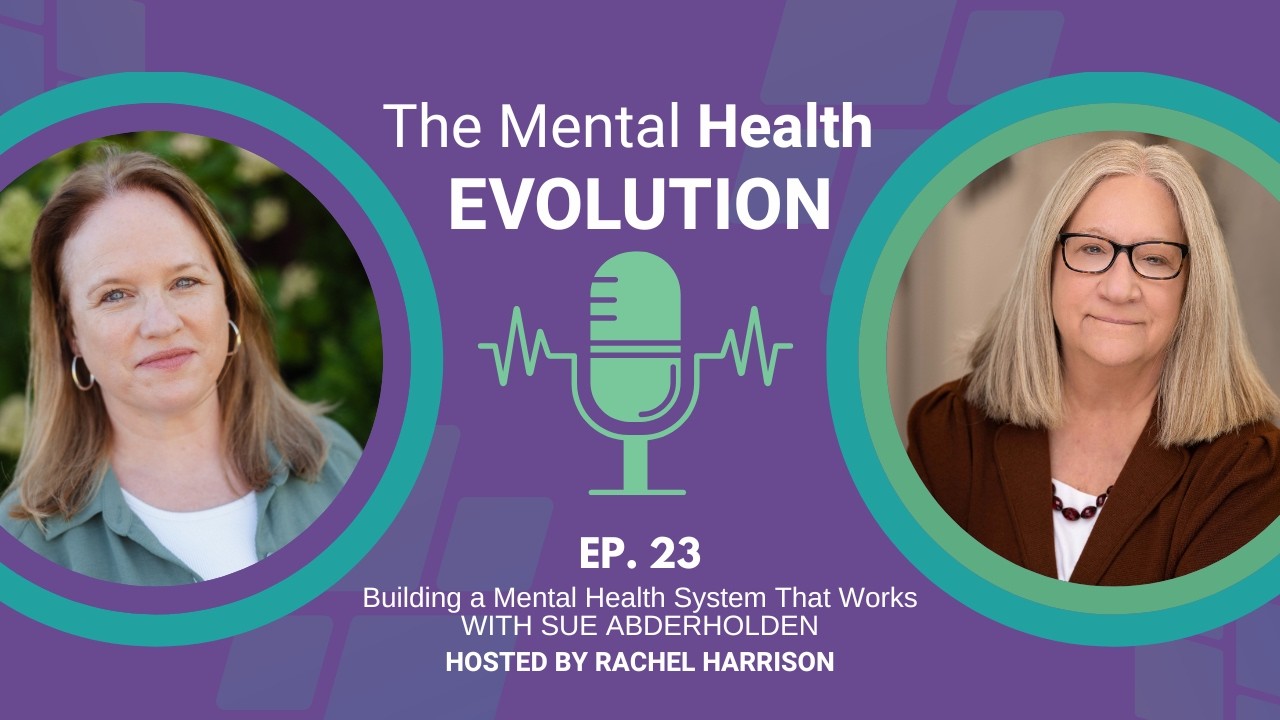
Building a Mental Health System That Works with Sue Abderholden
Sue's first and most extensively discussed policy recommendation, covering school-linked programs, pediatric screenings, and the specific gap between positive screens and actual referral pathways.
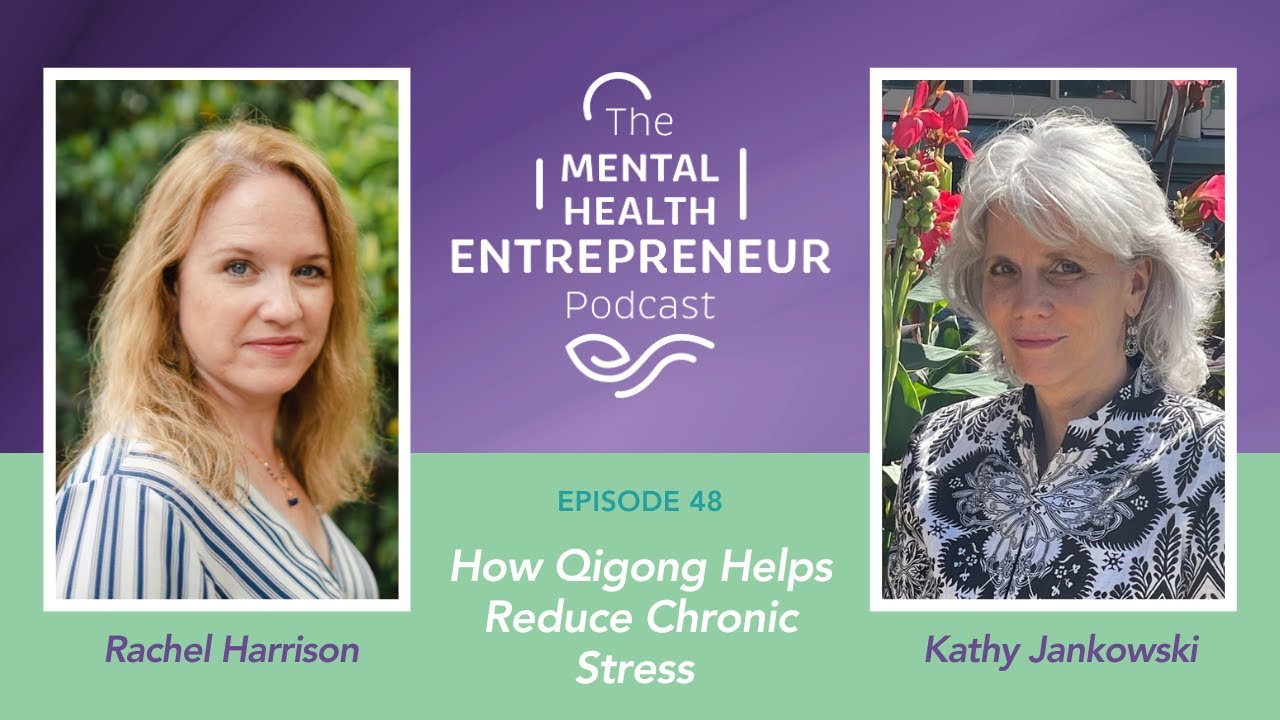
How Qigong Helps Reduce Chronic Stress | Kathy Jankowski, Trauma-Informed Qigong Trainer
Kathy frames a daily qigong and breathing practice as a preventative intervention against chronic stress compounding into shutdown, burnout, or goal failure, rather than a reactive treatment.
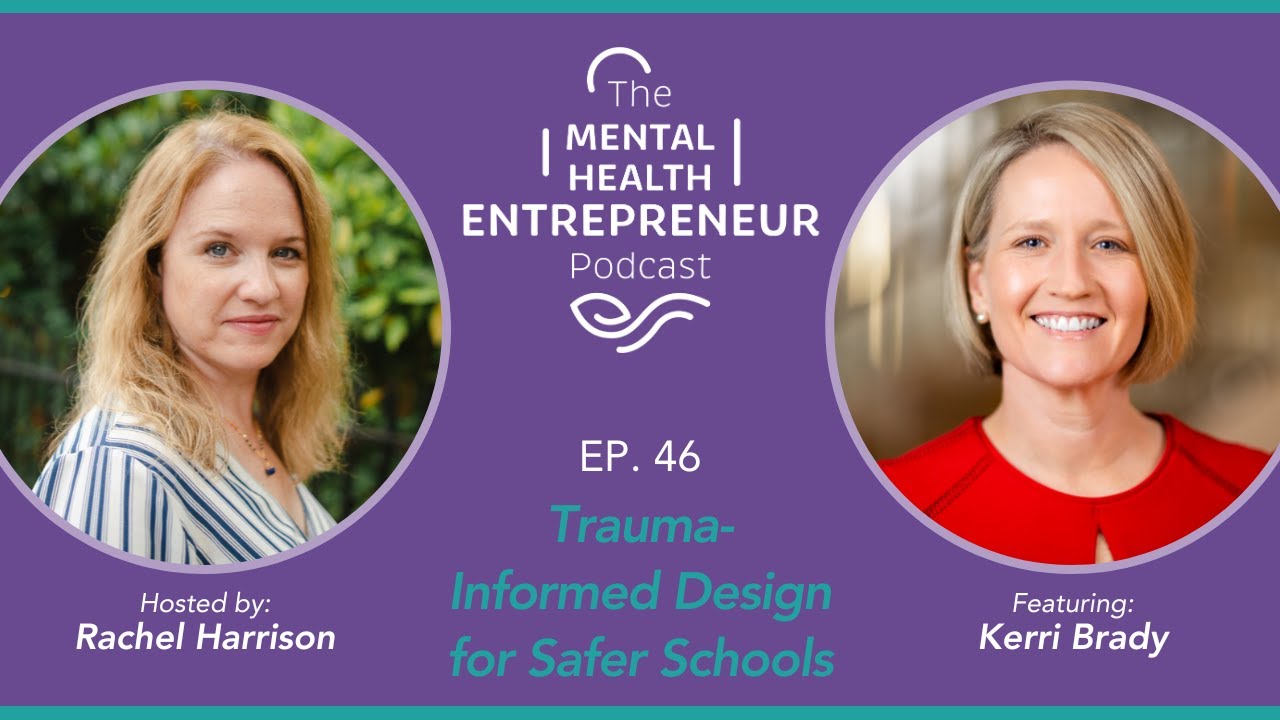
Trauma-Informed Design for Safer Schools | Kerri Brady of Huckabee
Kerri's central argument is moving from intervention to prevention, designing upstream of crisis rather than responding to it, framed explicitly as 'preventing school shooters, not just school shootings.'

How Neurofeedback Can Improve Brain Health | Mary Ammerman of the Institute for Applied Neuroscience
Mary frames neurofeedback as proactive self-regulation training rather than crisis intervention, explicitly arguing that everyone needs these skills, not only people with a diagnosis.
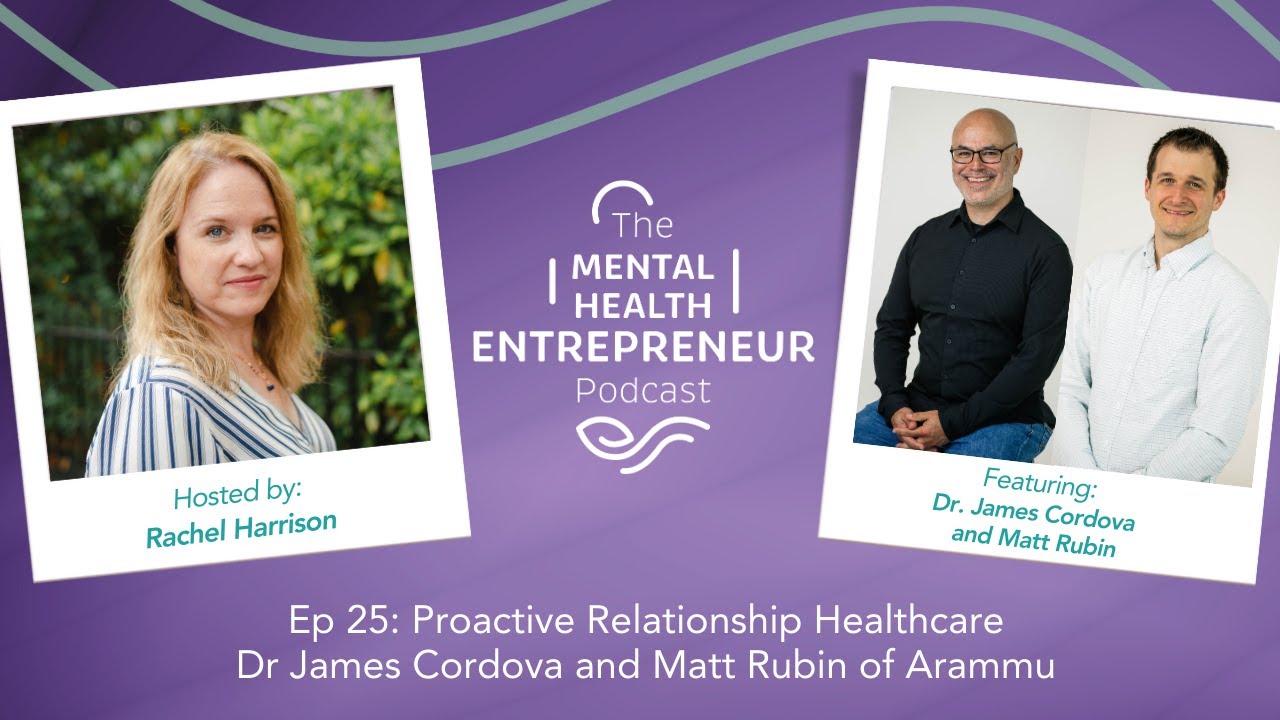
Proactive Relationship Healthcare | Dr James Cordova and Matt Rubin of Arammu
The entire episode builds the argument that mental health operates exclusively on a crisis and tertiary model, and both guests return repeatedly to the primary care checkup framing as the structural fix.
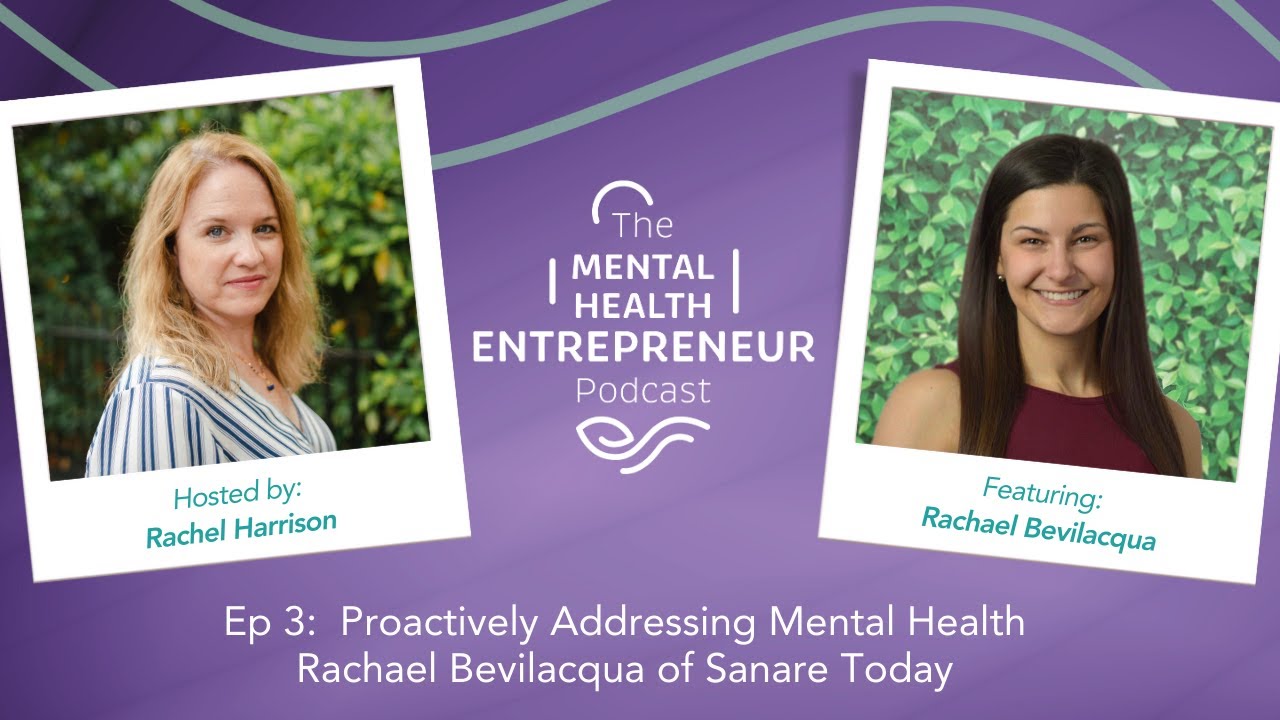
Proactively Addressing Mental Health | Rachael Bevilacqua of Sanare Today
The entire episode is organized around Sanare Today's mission to reach people before they hit crisis acuity, with Rachael arguing that most IOP clients cannot even name what health looks like because they have only ever been oriented toward avoidance.
Where this comes up substantially
15 episodes

Community Health, Local Solutions with Malcolm Furgol
Malcolm argues that waiting until crisis to intervene means the hardest damage has already happened, making prevention-oriented outreach the more humane and cost-effective approach to community mental health.
Wrapping Up 2024 and What's Next for the Podcast
Rachel articulates that mental wellness is fundamentally broader than mental health treatment, framing it as a community-design and environmental challenge that precedes the need for clinical intervention.

Using Sound and Holistic Healing to Rejuvenate Your Health | Falyn Morningstar and Ian Morris of Listening to Smile
Both guests argue for addressing health imbalances proactively and holistically rather than waiting for crisis-level intervention or relying exclusively on surgery and pharmaceutical approaches.
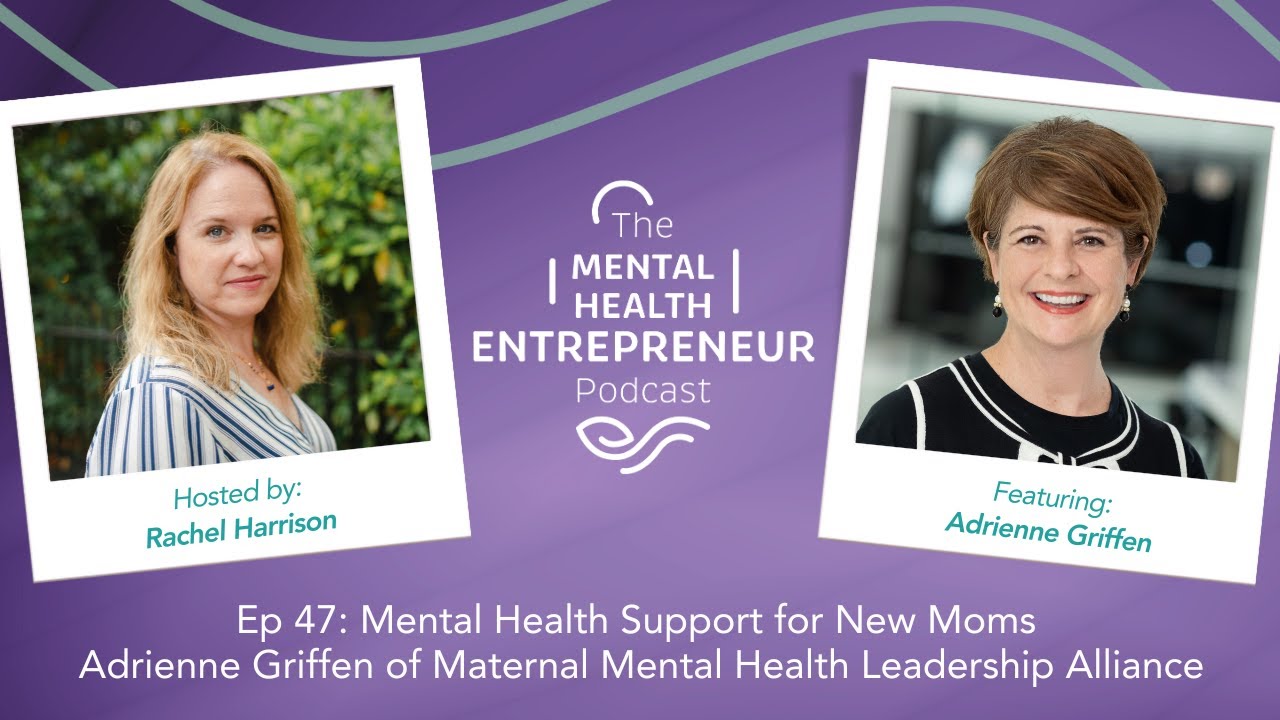
Mental Health Support for New Moms | Adrienne Griffen of Maternal Mental Health Leadership Alliance
Adrienne's stated mission — universal education, screening, and access before conditions worsen — is a preventative care argument, and the discussion of OBs as the logical screening point for a population not seeing primary care makes it concrete.
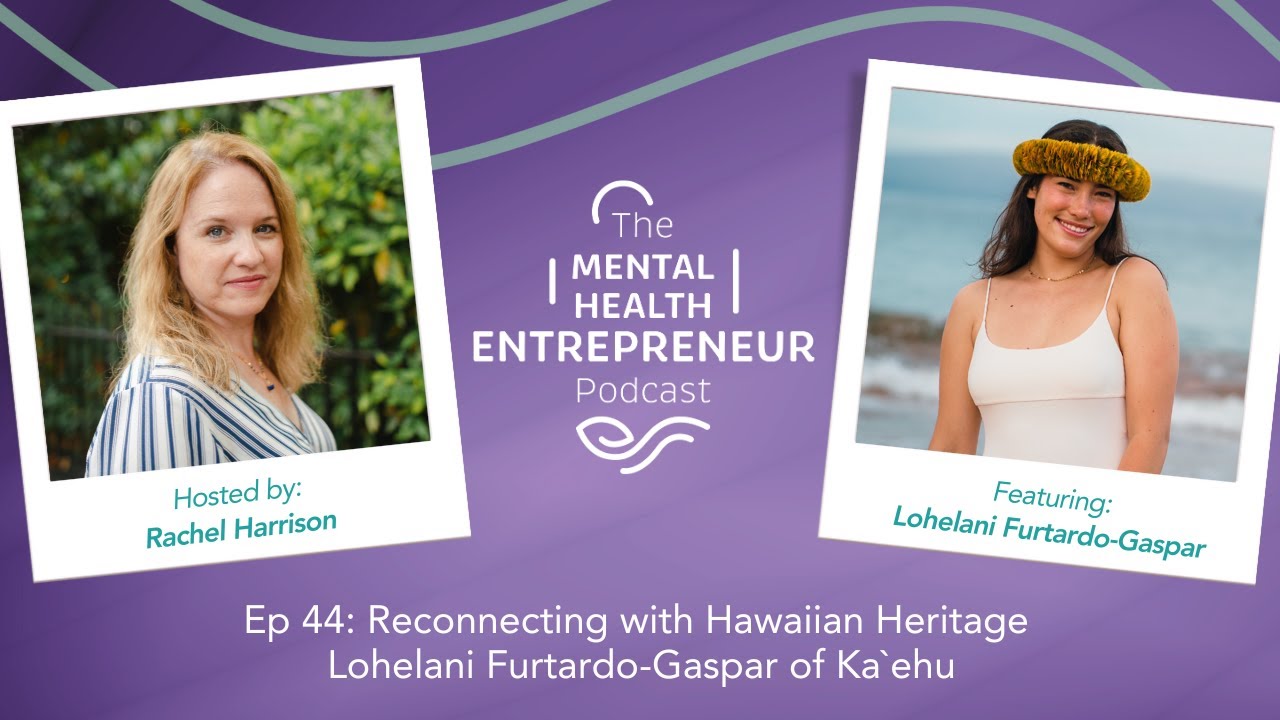
Reconnecting with Hawaiian Heritage | Lohelani Furtardo-Gaspar of Ka`ehu
Ka'ehu's founding thesis — that connection to land and culture can increase wellbeing across all aspects of life — positions cultural programming as a preventative layer before any crisis intervention.

Current Challenges and Innovations in the Mental Health Field | Check-In with Rachel Harrison
Preventative relationship therapy (the annual checkup model) is cited as one of the more interesting innovations from past guests, and Rachel's argument for proactive trauma treatment in helpers echoes the same preventative logic.
Using Brain SPECT Imaging for Mental Health Treatment | Dr. Rishi Sood of the Amen Clinics
Rachel raises the idea of mental health checkups modeled on physical health checkups, Dr. Sood validates it, and both agree that the system is built to respond to crisis rather than catch conditions early.

The Shift Towards Patient-Centered Healthcare | Anders Vege of the "What Matters to You?" Movement
The movement's stated goal, better health, better coping, better functioning level, is explicitly health-promoting and upstream of diagnosis, and Anders closes by calling for this to become 'core business in healthcare.'
The Connection Between Nutrition and Mental Health | Karen Mayo of the Book, Mindful Eating
Rachel frames the conversation as exploring what supports mental wellness upstream of therapy, given wait lists she cannot clear, with nutrition presented as an early intervention layer.

Breaking the Stigma and Providing Support to First Responders | Sgt. John Haddaway of the Baltimore County Police Department
The peer support program is explicitly framed as upstream triage: catching cumulative trauma before a crisis, providing confidential resources before someone's proverbial glass overflows.

Nature as Our Co-Therapist | Gina Strauss of Center for Nature Informed Therapy
Sit spots, prescribed daily nature time, and micro-exposures are offered as low-barrier preventative tools that build nervous system regulation over time, accessible even without outdoor practice space.

The Power Of Partnerships In Creating A Safer Community | Katie Cashman of Change the Conversation
Katie frames the school prevention work explicitly as intervening before abuse happens rather than only after, arguing that open conversation is itself a structural prevention mechanism.

Expanding EMDR Therapy To A Group Setting | Regina Morrow Robinson of The Book, EMDR Group Therapy
Regina returns repeatedly to the medical analogy -- treat early to avoid the infection -- arguing that group EMDR prevents overwhelming experiences from progressing to ASD or PTSD.

Rethinking Behavioral Health Access with Jason Youngblood
Jason made the case that better matching and digital onramps could reduce early dropout, citing data that three or more visits predicts better overall health outcomes.

The Future of SMI Treatment with Dr. Scott Feers
Early relapse detection using passive monitoring is framed explicitly as a way to intervene before full decompensation, reducing inpatient hospitalization.
Mentions
5 episodes
Mentions
5 episodes

Integrating Yoga into Therapy | Chris McDonald of the Podcast, Yoga in the Therapy Room
Chris argues that building a daily wellness routine prevents clinicians and clients from reaching high-stress states, framing proactive practice as neurological rewiring rather than optional self-indulgence.
From Personal Passion to Community Impact | Talon and Travis Holleman of R.O.O.T.S
Rachel identified the nature contact, hands-in-dirt, family bonding, and yoga components of ROOTS as preventative mental wellness infrastructure, and the founders confirmed they had researched this literature themselves.
Policy Shifts Reshaping Mental Health Care with Cathy Gilbert
Rachel briefly notes that untreated mental health conditions spill into community-level harms, framing early access as preventative infrastructure rather than a clinical nicety.

Nonprofit Efforts for Teen Mental Health | Chea Weltchek of Teens with Trauma
Early intervention is briefly but directly invoked as the strongest argument for treating teen trauma now rather than absorbing the lifetime costs of leaving it untreated.

A Blend of Psychology and Comedy | Dr. Kristen Wynns of Wynns Family Psychology
Briefly present in Dr. Wynns' framing of humor coaching as a wellness intervention people can access before they are ready for formal clinical care.
Looking to go deeper in your own work?
These TSTI trainings build on conversations from the episodes above.