10 Years of Trauma Specialists - a Live Episode
Being trauma-informed matters in the therapy room, and EMDR Basic Training teaches the part it can't cover: treating the trauma itself.
Take Your Trauma Treatment to the Next Level
You've completed EMDR Basic Training. Now it's time to deepen your skills with specialized workshops designed to expand your clinical capabilities and confidence.
View Upcoming TrainingsSpecialized workshops to deepen your EMDR expertise and expand your clinical toolkit. All trainings are virtual and require completion of EMDRIA-approved Basic Training.
An In-Depth Look at Each Phase to Increase Confidence and Skill
Conceptualize BPD as complex trauma rooted in attachment issues and learn phase-specific EMDR adaptations for this population. Covers DSM-5 diagnostic criteria, dissociation screening, Resource Development Installation specific to BPD, Fraser's Table, Resetting Affective Circuit Procedure, and the Affect Stabilization/Pendulation Protocol. Includes lecture, demonstrations, and practicum.
Presenter: Jamie Sedgwick, LCPC, NCC — EMDRIA Approved Trainer and Consultant, Training Director at TSTI. 10+ years specializing in complex trauma and personality disorders.
Go deep on the preparation phase that sets the stage for successful processing. Learn to define affect tolerance, window of tolerance, ego strength, and state shifting. Covers the structural dissociation model, Resource Development Protocol, and how to identify indicators that clients need additional preparation before Phases 3–8.
Presenter: Jamie Sedgwick, LCPC, NCC — EMDRIA Approved Trainer and Consultant
Learn More & RegisterBrush up on your understanding and skills. Covers trauma neurobiology, AIP Theory, Dual Attention Stimulus, all 8 EMDR phases, strategies for addressing blocked processing, and the Future Template. Perfect if it's been a while since Basic Training or you want to reinforce your foundation.
Presenter: Jamie Sedgwick, LCPC, NCC — EMDRIA Approved Trainer and Consultant
Learn More & RegisterAttachment trauma asks something different of every phase. This day covers how attachment develops, where it meets the Adaptive Information Processing model, and the clinical adaptations that follow across all 8 phases, for kids and teens as well as adults.
Presenter: Rachel Harrison, LCPC, NCC — EMDRIA Approved Consultant, Trainer, and Basic Trainer
Learn More & RegisterA trauma-informed lens on every phase of EMDR, from history taking through re-evaluation, while holding fidelity to Francine Shapiro's model. Covers the core principles of trauma-informed treatment, cultural competency in Phase 1, somatic preparation and resourcing, strength-based cognitive interweaves, telling abreaction from flooding, and therapist self-care.
Presenters: Jamie Sedgwick, LCPC, NCC · Jennifer Youdom, LCSW-C
Learn More & RegisterNew dates are added to the calendar as they are scheduled. The full training calendar lists every session currently open for registration.
View All TrainingsCheck our calendar for upcoming dates and registration
View Full Training CalendarThese advanced trainings require completion of an EMDRIA-approved Basic Training. Start your EMDR journey with our foundational program.
Explore Basic TrainingJoin EMDR Circle Membership for continuous learning, monthly consultation, and community support between trainings.
Learn About MembershipOn The Mental Health Evolution, Rachel and her guests have talked about the harder ends of trauma work — phase 2 stabilization, complex trauma, and dissociation across 50 episodes. A few that pair well with this training:
Being trauma-informed matters in the therapy room, and EMDR Basic Training teaches the part it can't cover: treating the trauma itself.
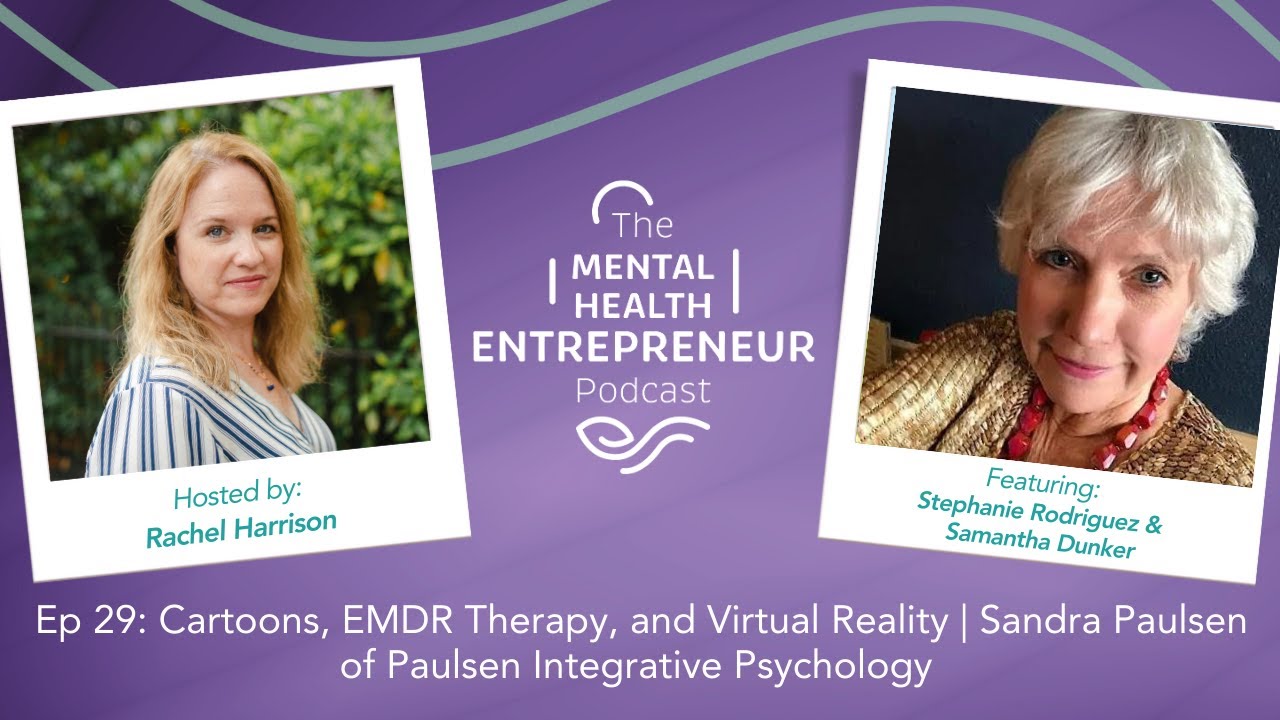
The skills Sandra Paulsen says are required before working in an intensive EMDR format, including dissociation assessment, ego state therapy, and early trauma protocols, are what TSTI's advanced training sequence is built to develop.
Jamie Sedgwick's TSTI training, BPD Through a Trauma Lens, gives clinicians the conceptual reframe and concrete skills to work confidently with a population they have been trained to fear.