A flagship moment on this theme
"While Covid really accentuated these problems, Covid wasn't the start of this trend. In terms of a lot of statistics that are available for tracking students mental health, we had been seeing a decline almost at the start of a decline almost a decade before COVID came at us in 2020."
Reframes the student mental health crisis as structural rather than pandemic-caused — a more useful and honest frame for clinicians who have been treating the downstream effects for years and know the demand did not appear from nowhere.
Where this is a central topic
5 episodes

The Coverage Gap Is a Policy Problem with Cara Cheevers
The episode opens on shortage-area data through 2038 and returns to pipeline fixes like pre-licensed reimbursement, loan repayment, and the Balmer Institute associate-degree model.
Building a Mental Health System That Works with Sue Abderholden
Sue details structural barriers for clinicians of color, including supervision costs, culturally biased licensing exams, and chronic undercompensation driven by a female-dominated, Medicaid-heavy field.

Big Mental Health Stories & Trends to Watch in 2026
Rachel cites the global figure of 13 mental health workers per 100,000 people, discusses undervaluation of master's-level credentials, and raises supervision and training needs for an influx of newer clinicians.

Policy Shifts in School Mental Health with Matthew Stone
Both speakers discuss the pre-existing shortage of school counselors, psychologists, and social workers; the cost economics of doctoral-level versus master's-level providers; and what narrowing grants to psychologists only means for who gets hired and how far the money goes.
The Intersection of Purpose, Success, and Mental Health | Dr. Ajita Robinson of The Book, The Gift of Grief
The post-pandemic exodus from mental health professions and the argument that diversification is what keeps clinicians in the field long-term are discussed at length.
Where this comes up substantially
24 episodes
Pessimism Is Not a Strategy with Marcus Schmit
Providers are cutting staff under cash-flow pressure, and Marcus worries that once a program closes, the people who worked there will find other opportunities and the program will not reopen.
When Child Care Can't Wait for Nine to Five with Sara Bradley
Staffing for non-traditional hours is named as the biggest barrier to replication, with burnout among overnight childcare workers discussed as a real and persistent operational challenge.
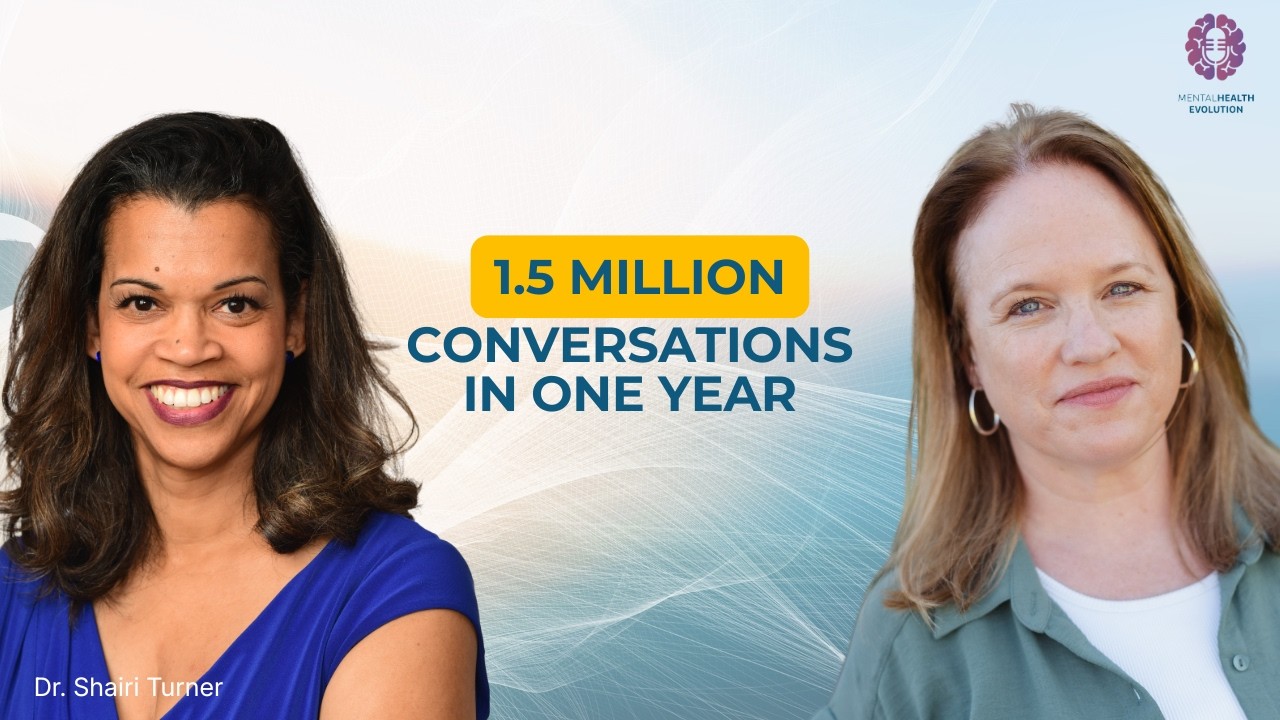
The Crisis Text Line with Dr. Shairi Turner
Crisis Text Line's volunteer model is discussed at length -- 700,000 hours donated, 15-hour training, professional supervision for every conversation -- as an example of how community labor can extend a stretched clinical workforce.

When States Step Up for Safety with Delegate Lily Qi
Delegate Qi identifies the behavioral health provider shortage as a structural reason people turn to AI chatbots, framing disclosure regulation as incomplete without parallel workforce investment.

The 988 Hotline: Three Years In
Rachel frames clinicians and practice owners as essential partners in what comes after a 988 contact, noting that system fragmentation becomes most visible in the moments after a crisis call ends.
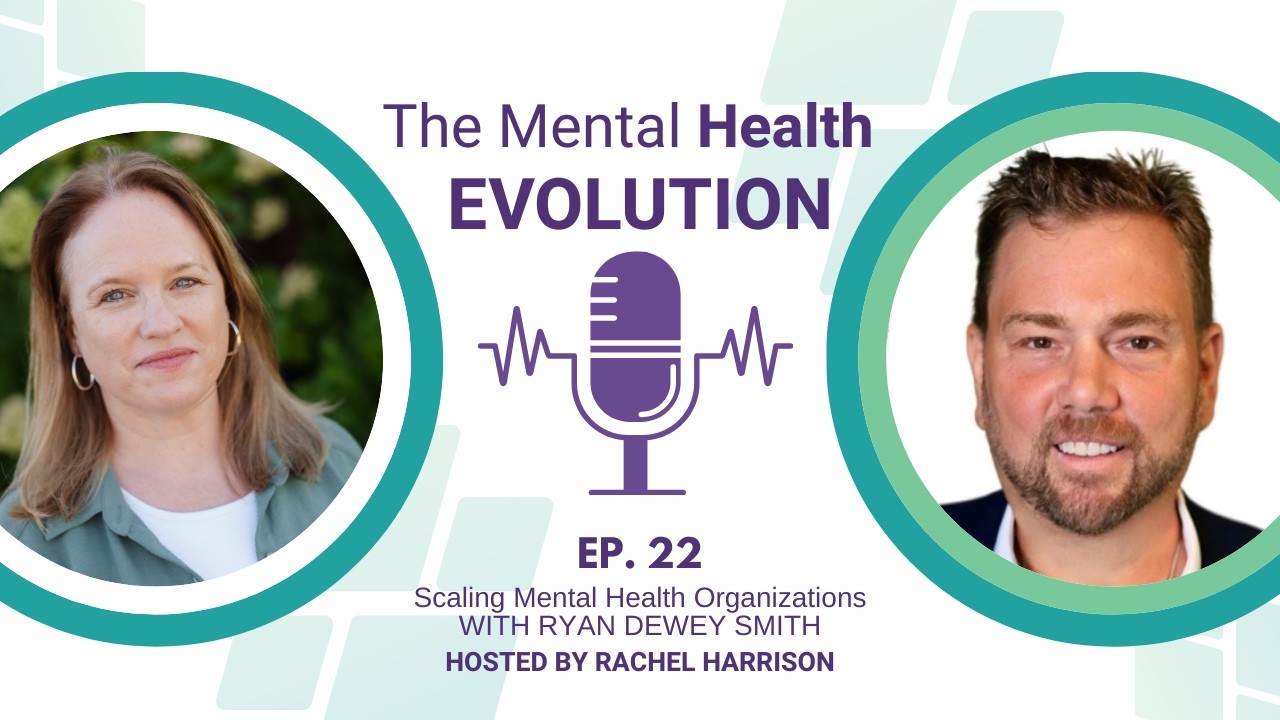
Scaling Mental Health Organizations with Ryan Dewey Smith
Discussed as both a benefit of the affiliation model (better benefits, advancement paths) and a pressure point, since funding uncertainty makes it hard to recruit staff to a field where paychecks feel precarious week to week.

Building Mental Health Practices Without Burnout with Dan King
Clinician satisfaction and retention are framed as core investment metrics, and Dan describes running culture surveys during due diligence as a way of measuring organizational health before any deal closes.
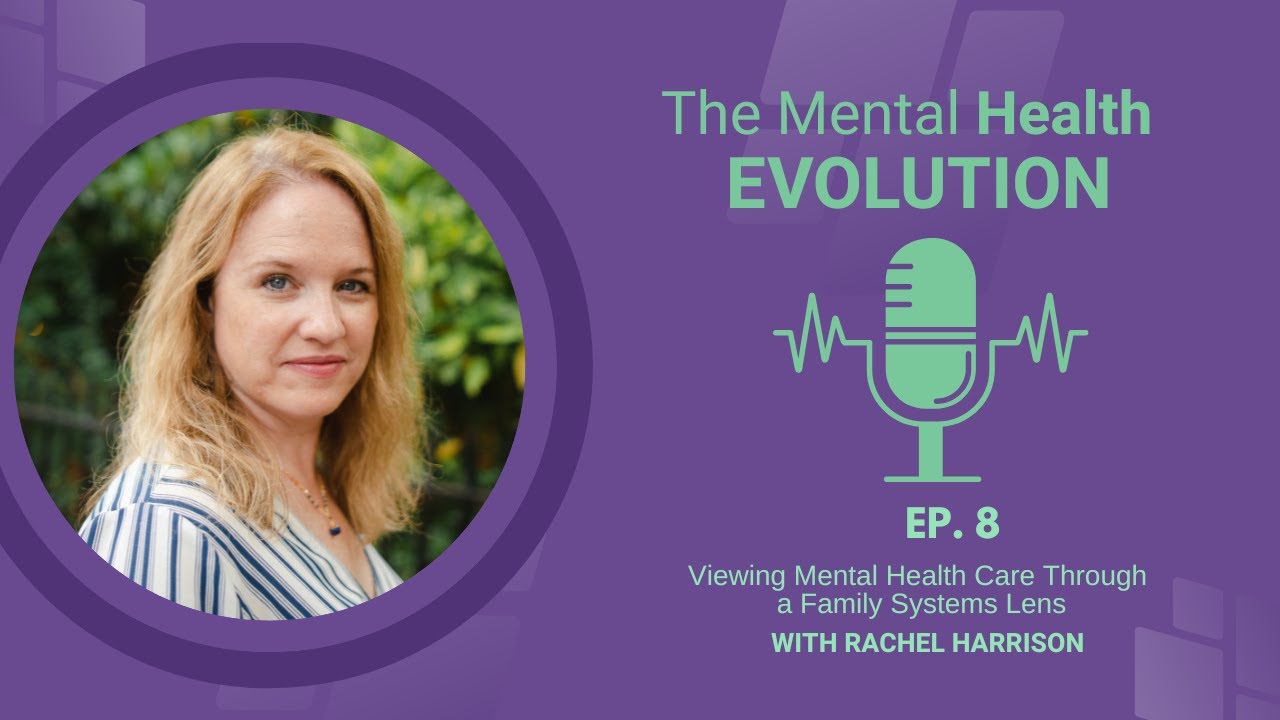
Viewing Mental Health Care Through a Family Systems Lens
Examined how practice setting, insurance participation, and administrative burden shape therapist income, including reference to the 2025 US therapist salary report and the trend of providers leaving insurance networks.
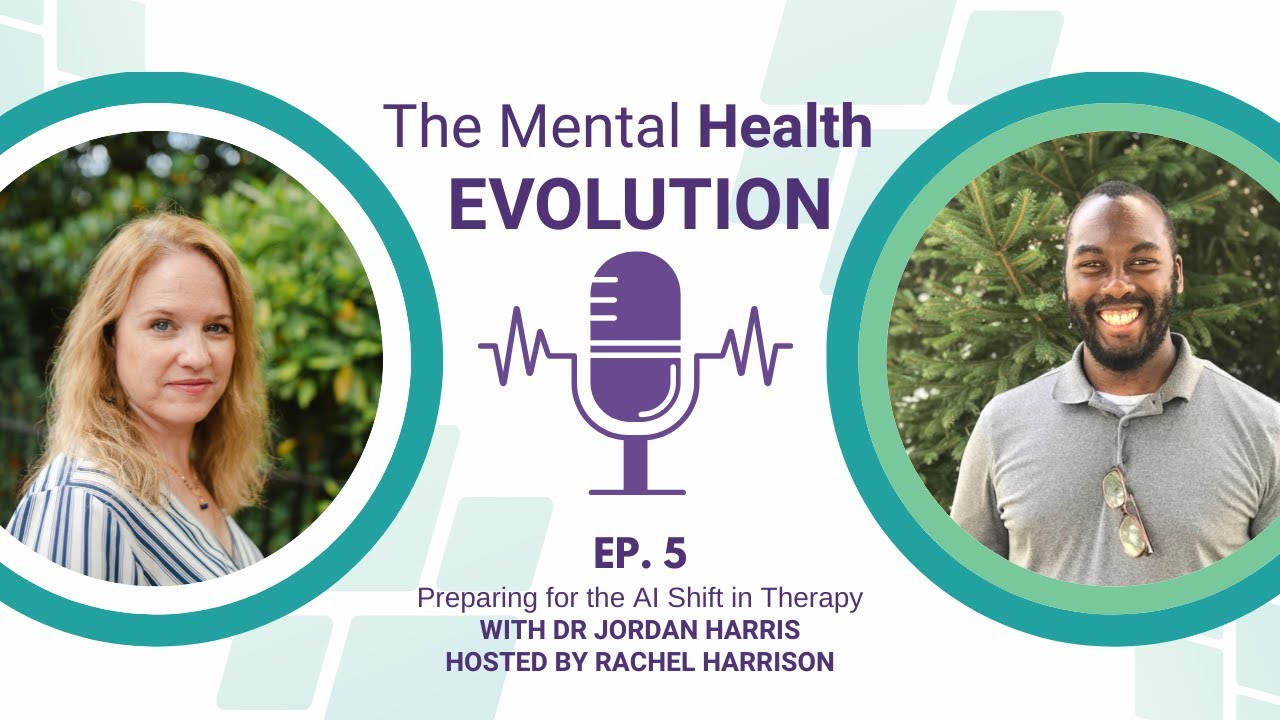
Preparing for the AI Shift in Therapy with Dr. Jordan Harris
Harris cites outcome research showing 25 to 60 percent of practicing therapists struggle significantly with portions of their caseload, and frames this gap as exactly what AI is currently filling.
Creating Peaceful Workplaces | Dr. Sujata Ives of the Book, Activate Success
The 'people leave people not passionate work' insight reframes retention as a relational design problem, with leadership style and personality fit as the primary variables practice owners can actually address.

Destigmatizing Borderline Personality Disorder | Jamie Sedgwick of the Trauma Specialists Training Institute
Jamie argues that many clinicians are already working with unidentified BPD presentations in their trauma caseloads and would benefit from targeted training, framing the competency gap as addressable rather than fixed.

Empowering Neurodivergent Voices | Crystal Bowen of Delta Learning Solutions
Crystal's consulting practice focuses on helping organizations redesign team structures, expectations, and communication norms to include neurodivergent employees, applying the canary principle that designing for the most vulnerable benefits everyone.
Cartoons, EMDR Therapy, and Virtual Reality | Sandra Paulsen of Paulsen Integrative Psychology
Sandra warns that intensive EMDR formats are being marketed to novice clinicians who lack the dissociation assessment, ego state, and somatic skills the format requires, naming specific clinical risks.

Breaking the Stigma and Providing Support to First Responders | Sgt. John Haddaway of the Baltimore County Police Department
Haddaway describes intentionally diversifying his 32-person ad hoc peer support team by ethnicity, religion, and lived experience, framing representation as a clinical access decision rather than a values exercise.

Nature as Our Co-Therapist | Gina Strauss of Center for Nature Informed Therapy
The Center's training is open to non-clinicians with a short mental health first aid prerequisite, and Gina describes practitioners from OB-GYN, outdoor education, and addiction recovery bringing the modality into their fields.

Benefits of Acupuncture for Addiction Treatment | Dr. Libby Stuyt of the National Acupuncture Detoxification Association (NADA)
Libby describes successfully lobbying Colorado and other states to expand who can legally administer the protocol, eventually to any trained professional, and training peer coaches and bachelor's-level staff as a deliberate workforce-extension strategy.

Connecting Black and Brown Individuals with Therapists Who Understand | Crysta Harris of the Black Brown Delaware Therapists Directory (BBDT)
The directory explicitly serves as a visibility platform for Black and Brown therapist skills beyond client referrals, including speaking engagements and training opportunities, countering the 3% representation problem.
Trauma Stewardship - Navigating Overwhelm and Finding Support | Laura van Dernoot Lipsky of The Trauma Stewardship Institute
Laura's discussion of trauma mastery — why clinicians enter the field knowingly or unknowingly through their own history — raises concrete questions about who enters the workforce, how prepared they are, and what structural support they need to stay.

Expanding EMDR Therapy To A Group Setting | Regina Morrow Robinson of The Book, EMDR Group Therapy
The tiered provider model -- from non-clinical staff delivering basic regulation tools up to EMDR-trained clinicians running trauma-processing groups -- is a workforce architecture argument threaded through the vision discussion.
Supporting the ALICE Community | Alison Pidgeon of Move Forward Counseling
Alison describes her successful push to establish provisional LPC licensure in Pennsylvania, which directly expanded her hiring pool and the state's clinical workforce supply.

Everybody's Talking About Mental Health But Nobody's Funding It with Stephanie Slowly Little
Provider burnout, declining reimbursement rates, and low Medicaid payment as drivers of workforce attrition are cited as compounding factors in the rural access gap.

Who Supports the Crisis Workers with Becky Stoll
Becky walks through a detailed continuum starting with job advertising and scenario-based interviews through structured onboarding and mentorship as retention tools.

AI and Measurement-Based Care with Dr. Dylan Ross
The 320:1 unmet-need-to-provider ratio and documentation-driven burnout are raised as the structural workforce problem that AI tools are designed in part to address.

Making Psychedelic Therapy Accessible with Myriam Barthes
Myriam describes the didactic, experiential, shadowing, co-facilitation, and peer consultation layers therapists said they needed to feel safe offering KAP.
Mentions
12 episodes
Mentions
12 episodes

Advocacy, Autonomy and the Future of Psychotherapy with Linda Michaels of PsiAN
Dr. Michaels describes PsiAN's origins in concern that graduate training, research funding, and professional guidelines were narrowing toward the CBT family of therapies at the expense of the broader evidence base.

The Future of SMI Treatment with Dr. Scott Feers
Clinician adoption challenges are noted once: physicians are trained to be conservative about unordered data, and integrating novel metrics like heart rate variability into practice is not straightforward.

Private Equity in Mental Health Care with Dr. Jane Zhu
Mentioned briefly in the context of administrative burden on solo practitioners, the pipeline of trainees entering a PE-influenced field, and frontline nursing staffing cuts documented in PE-acquired nursing homes.

High School Innovators Making a Difference | The Glenelg High School Robotics Club
The team describes recruiting members by prioritizing work ethic over technical skill, and members describe building engineering, business, and leadership competencies through participation.

Psychotherapy with Horses | Rosemary Baughman of Courageous Hearts
Rosemary describes her current role as mentoring younger staff to develop their own specialized programs within Courageous Hearts, using a clinician building a body-image program with horses for adolescents as the example.

Stop Doing What Worked Ten Years Ago with Dr. Elizabeth Carr
Mentioned in the context of a background article on behavioral health workforce shortages and briefly in Dr. Carr's discussion of EMDR staffing demand she cannot currently fill.

The Human Side of Elite Athletes | Julie Kliegman of the book, Mind Game
Rachel briefly surfaces the therapist shortage and high-acuity burnout post-COVID as context for why any access gap in specialized populations compounds the broader crisis.
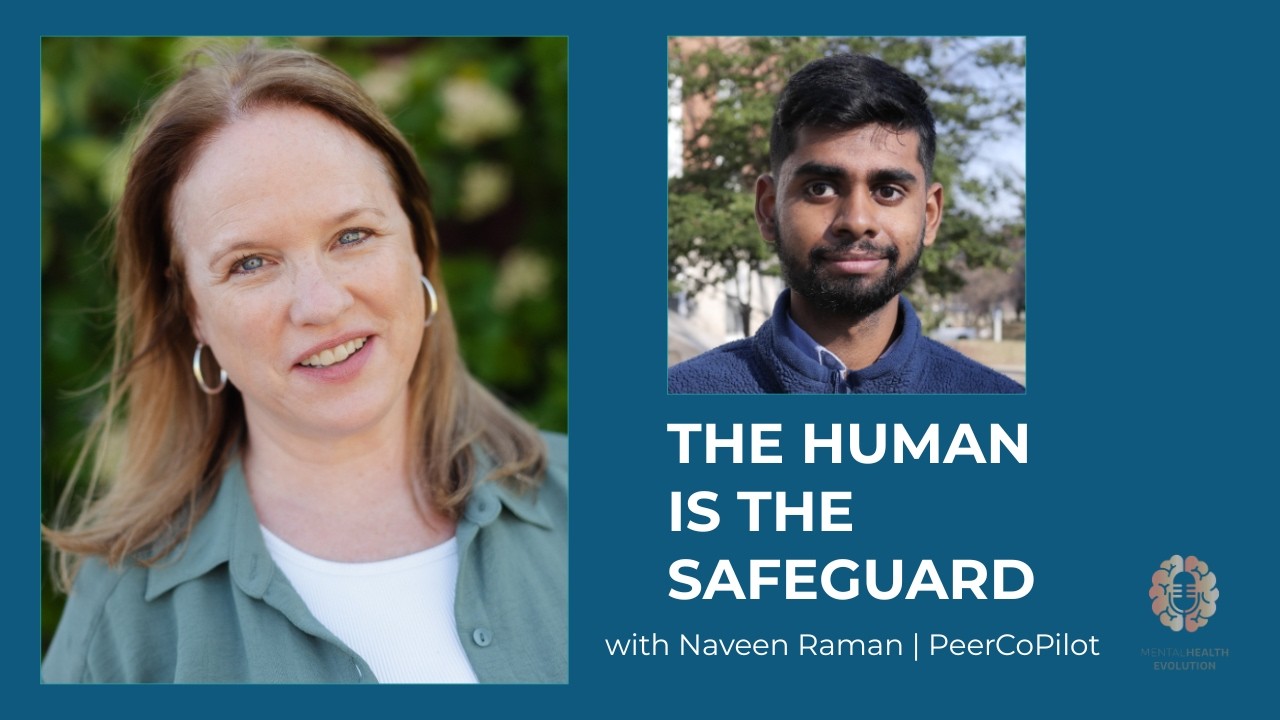
Trusted Tools for Peer Workers with Naveen Raman
Briefly mentioned: the partner organization is running AI literacy training sessions to help peer workers understand how to prompt effectively and recognize model errors.

Dungeons & Dragons as Therapy? How Tabletop Roleplay Games are Making a Difference | Charlene MacPherson of Nerd Adventure Therapy 20 (NAT20)
Charlene briefly names the lack of BIPOC representation in gaming culture as a problem she wants to address through a partnership in her practice expansion.
Be the One Who Does It
Named once as one of the three state policy levers Cara Cheevers described, alongside supporting current providers and modernizing data and technology.
Welcome To The Mental Health Entrepreneur with Rachel Harrison
Brief mention that even with highly trained therapists and continued hiring, demand consistently outpaces what the clinical workforce can supply.
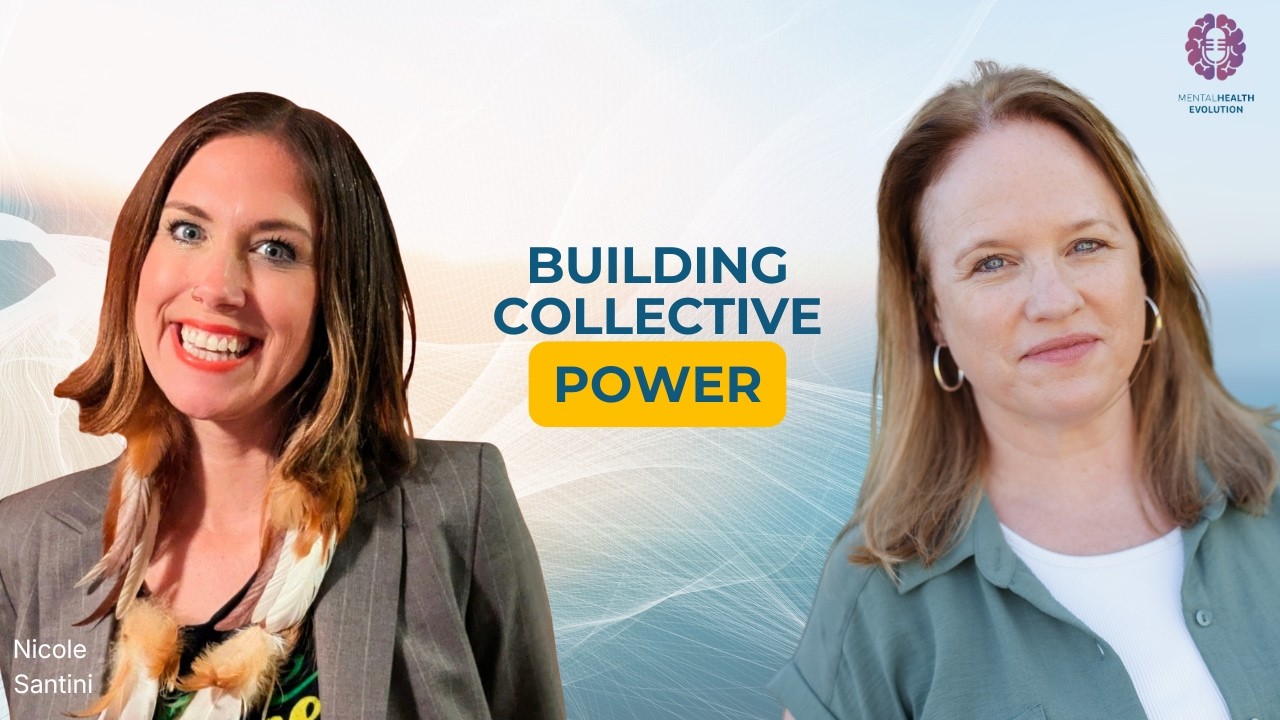
Building Collective Power with Nicole Sartini
Nicole's practice saw its first turnover in ten years when clinicians left for platforms after reimbursement dropped.
Looking to go deeper in your own work?
These TSTI trainings build on conversations from the episodes above.