A flagship moment on this theme
"To this day, I tell people I'm still alive because of the therapy that these tools, creative tools gave to me in my life."
Personal testimony from someone who used music and the arts to survive depression following a career-ending diagnosis — a specific, striking claim that anchors the entire episode's premise without requiring the listener to accept any particular framework.
Where this is a central topic
11 episodes

Using Sound and Holistic Healing to Rejuvenate Your Health | Falyn Morningstar and Ian Morris of Listening to Smile
Sound therapy (binaural beats, singing bowls, frequency-based music), functional diagnostic nutrition, and somatic practices are presented throughout as a coherent integrated system rather than alternatives to conventional care — new slug proposed, no canonical match.

A Blend of Psychology and Comedy | Dr. Kristen Wynns of Wynns Family Psychology
The episode's central topic throughout: Dr. Wynns presents laughter and humor as clinically grounded interventions with documented effects on stress hormones, immune function, and nervous system regulation, and describes building a coaching practice around them.
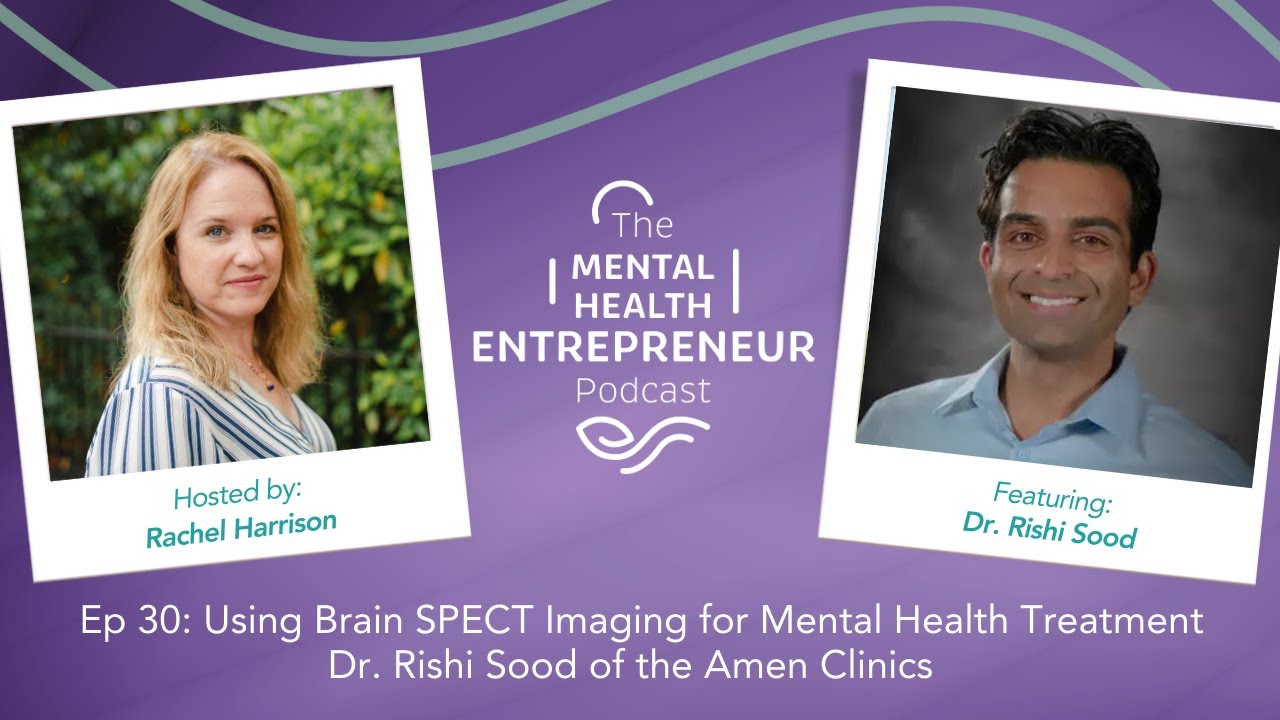
Using Brain SPECT Imaging for Mental Health Treatment | Dr. Rishi Sood of the Amen Clinics
Dr. Sood returns repeatedly to combining imaging data with EMDR, nutrition, sleep, exercise, and medication rather than defaulting to a single treatment pathway, and frames this as the practical output of looking at the brain.

Grief Counseling in a Natural Setting | Kaili Van Waveren of ThorpeWood
The entire episode is organized around ThorpeWood's ecotherapy model — grief hikes, school programming, climate grief groups — with Kaili arguing that intentional nature engagement is clinically distinct from simply being outdoors.
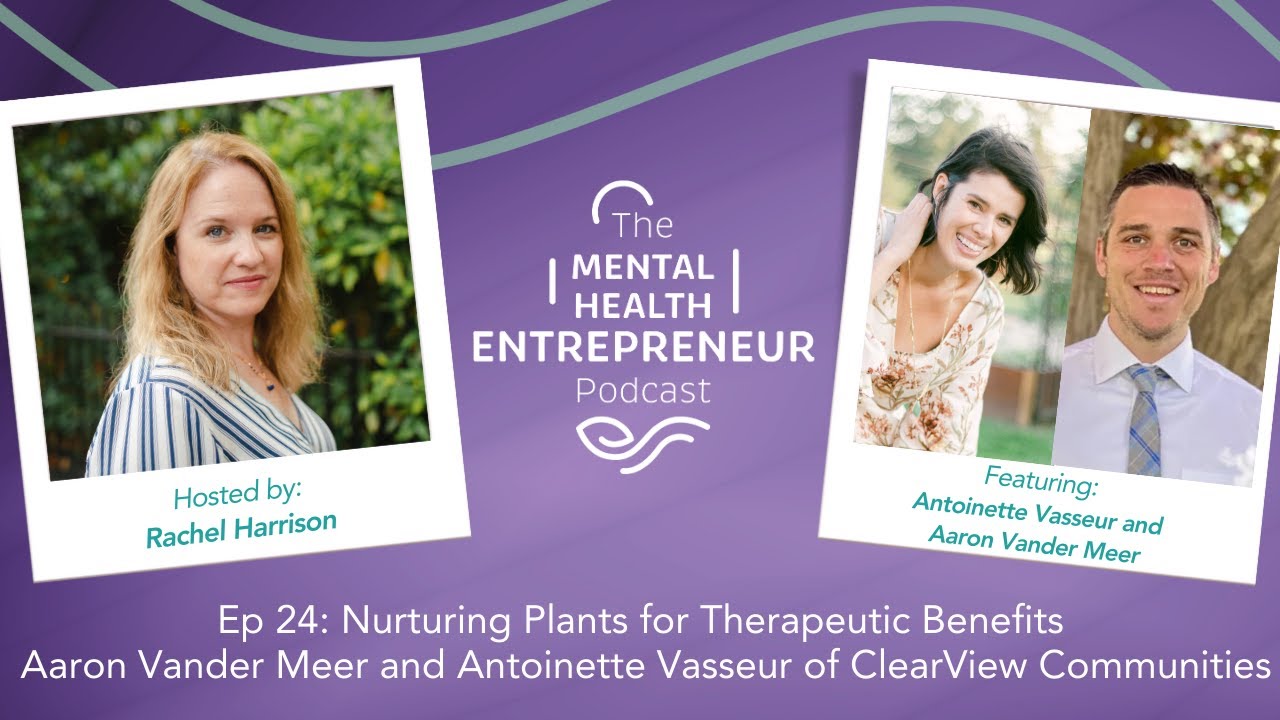
Nurturing Plants for Therapeutic Benefits | Aaron Vander Meer and Antoinette Vasseur of ClearView Communities
The entire episode describes therapeutic horticulture at Clearview, specifically the distinction between structured protocol-based horticulture therapy and an unstructured greenhouse environment where plants themselves are the treatment.

Psychotherapy with Horses | Rosemary Baughman of Courageous Hearts
The episode centers on equine-assisted psychotherapy as a clinical modality: what it is, how it differs from therapeutic riding, the co-facilitation model pairing a licensed clinician with an equine professional, and the argument for putting 'psychotherapy' first in the name.

Transforming Stress Into Art | Emily Twynham and Samira Butt of Mediate and Create
Neurographic art is the spine of the episode, with its mechanism, practice steps, and therapeutic applications explained in depth, including neural pathway theory, the rounding technique, and reported results with dementia patients, anxious individuals, and relationship stress.
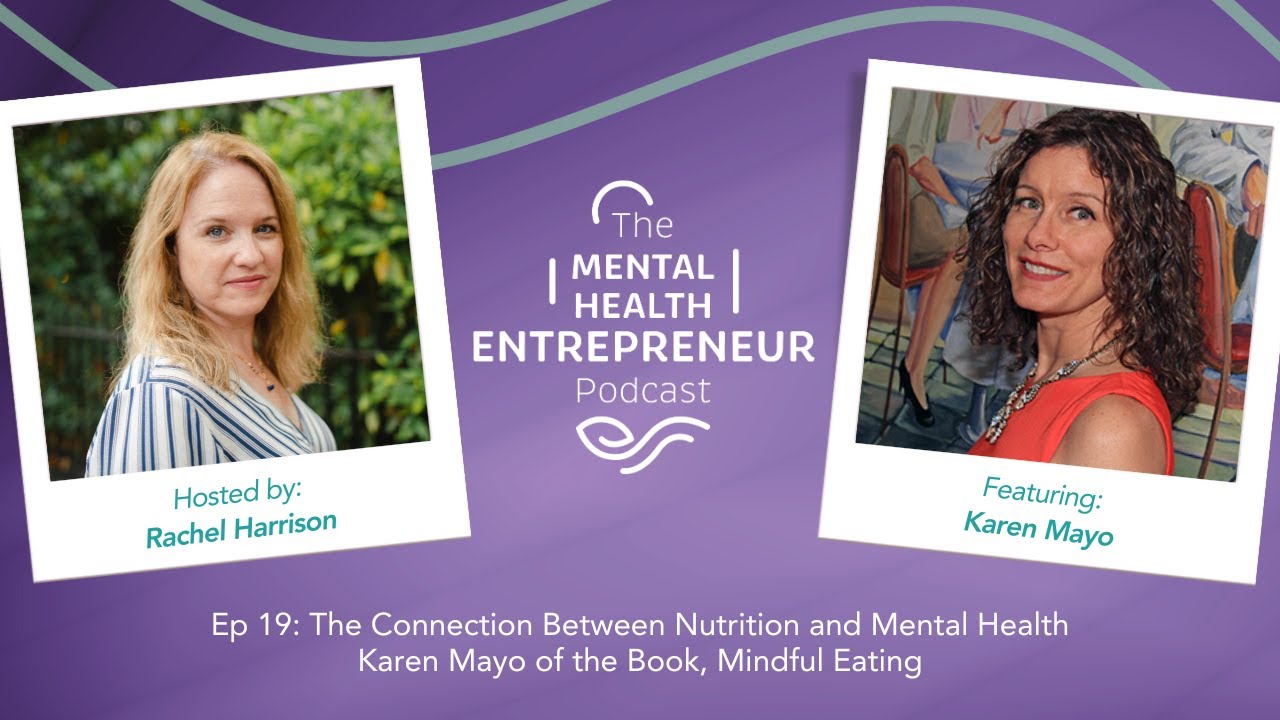
The Connection Between Nutrition and Mental Health | Karen Mayo of the Book, Mindful Eating
The spine of the episode: Karen walks through how food affects blood flow, neurotransmitter production, and brain function, and how that understanding built her entire practice and body of work.

Nature as Our Co-Therapist | Gina Strauss of Center for Nature Informed Therapy
The entire episode explores how nature informed therapy works at both physiological and relational levels, grounded in attention restoration theory, psychoevolutionary research, and attachment science, with practical applications ranging from biophilic office design to walk-and-talk sessions.
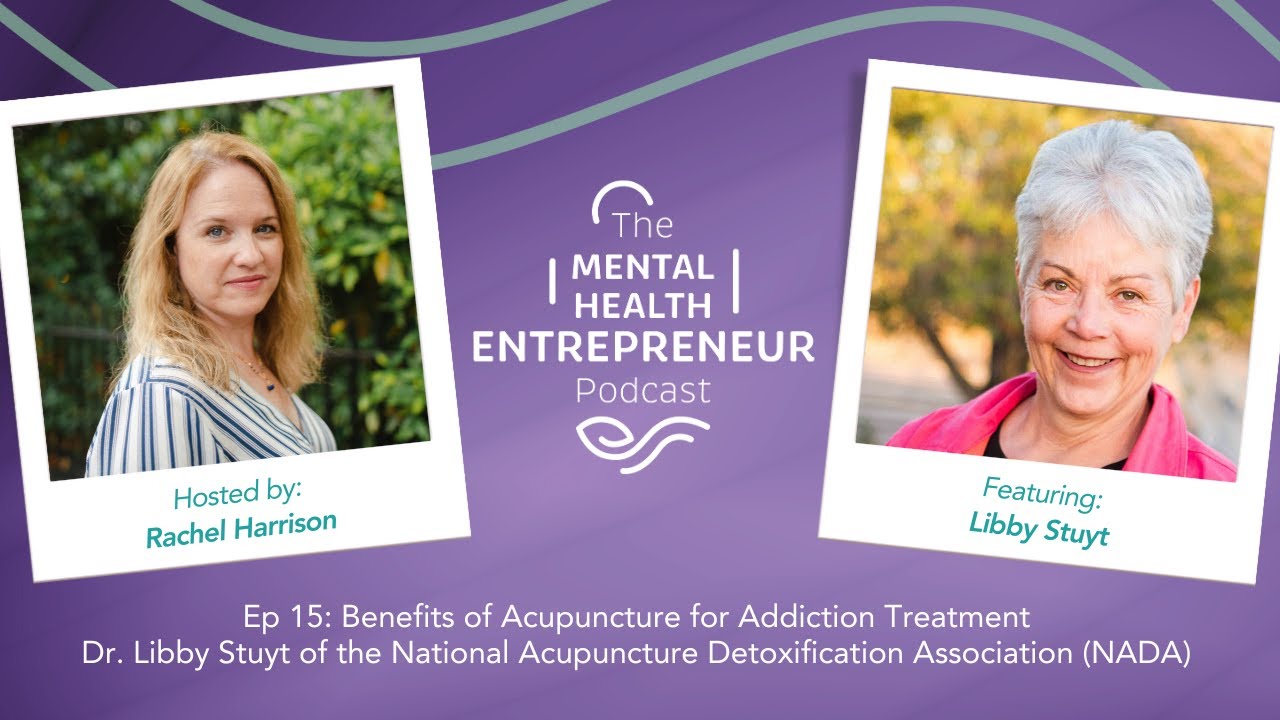
Benefits of Acupuncture for Addiction Treatment | Dr. Libby Stuyt of the National Acupuncture Detoxification Association (NADA)
The entire episode centers on the NADA five-point ear acupuncture protocol: its development history, evidence base, clinical applications in addiction and trauma stabilization, and how practitioners can access training and navigate state laws to use it.

Dungeons & Dragons as Therapy? How Tabletop Roleplay Games are Making a Difference | Charlene MacPherson of Nerd Adventure Therapy 20 (NAT20)
The mechanics and clinical rationale of D&D as a therapeutic modality are the spine of the episode, covering goal-setting built into character creation, safety tools like the X card, and the concept of aesthetic distance.
Where this comes up substantially
1 episode

Looking to go deeper in your own work?
These TSTI trainings build on conversations from the episodes above.