A flagship moment on this theme
"What oftentimes I read is that the problem is when I read articles on this, there's not enough beds. So maybe this is true, maybe there's just never enough beds. And as we launched it out, we found out there's a lot of beds available. There is an operational problem with how we efficiently link all of the services together in real time and find where the closest, best clinically matched bed is for the patient."
This is the reframe the whole platform rests on. Clinicians who have worked in or around ERs have heard for years that the system is overwhelmed because there are no beds. Hearing that the data shows otherwise, that the problem is coordination rather than capacity, is the kind of finding that shifts how a practitioner thinks about the problem.
Where this is a central topic
12 episodes

Follow the Money, Follow the Power with Joanne Frederick
Joanne describes a system built by layering incremental policy until no one understands its original purpose, and argues for writing contract requirements around outcomes and checking whether a rule actually exists in statute.

What Happens When You Replace the Fax Machine with Shana Palmieri
The conversation repeatedly returns to the argument that the mental health system's fragmentation is an operational design failure rather than a resource failure, and that aggregate platform data can reveal where specific gaps exist by region and population.

They Knew and They Profited Anyway with Matthew Bergman
Section 230's unintended evolution from a narrow 1996 immunity protecting bulletin boards to a near-total shield removing any duty of reasonable care from social media companies, and the product liability workaround that finally cracked it.

What Clinicians Need to Know About AI Law with Dr. Nick Shumate
The 50-state legislative review and the sustained discussion of fragmented, inadequate regulatory frameworks make a structural argument about where governance authority for AI in mental health actually sits and why existing structures cannot carry the load.

When States Step Up for Safety with Delegate Lily Qi
The episode's spine is that states are the primary backstop for behavioral health consumer protection because federal AI regulation does not exist and is actively discouraged by executive order.

Advocacy, Autonomy and the Future of Psychotherapy with Linda Michaels of PsiAN
PsiAN's founding premise is that the mental health profession has been too inward-looking, and that the structural forces shaping how therapy is funded, delivered, and governed require the same professional attention as clinical practice itself.

Who Supports the Crisis Workers with Becky Stoll
The episode's central argument is that organizations must audit and fix the system first before asking staff to be resilient; Becky frames any wellness initiative as meaningless without this foundation.
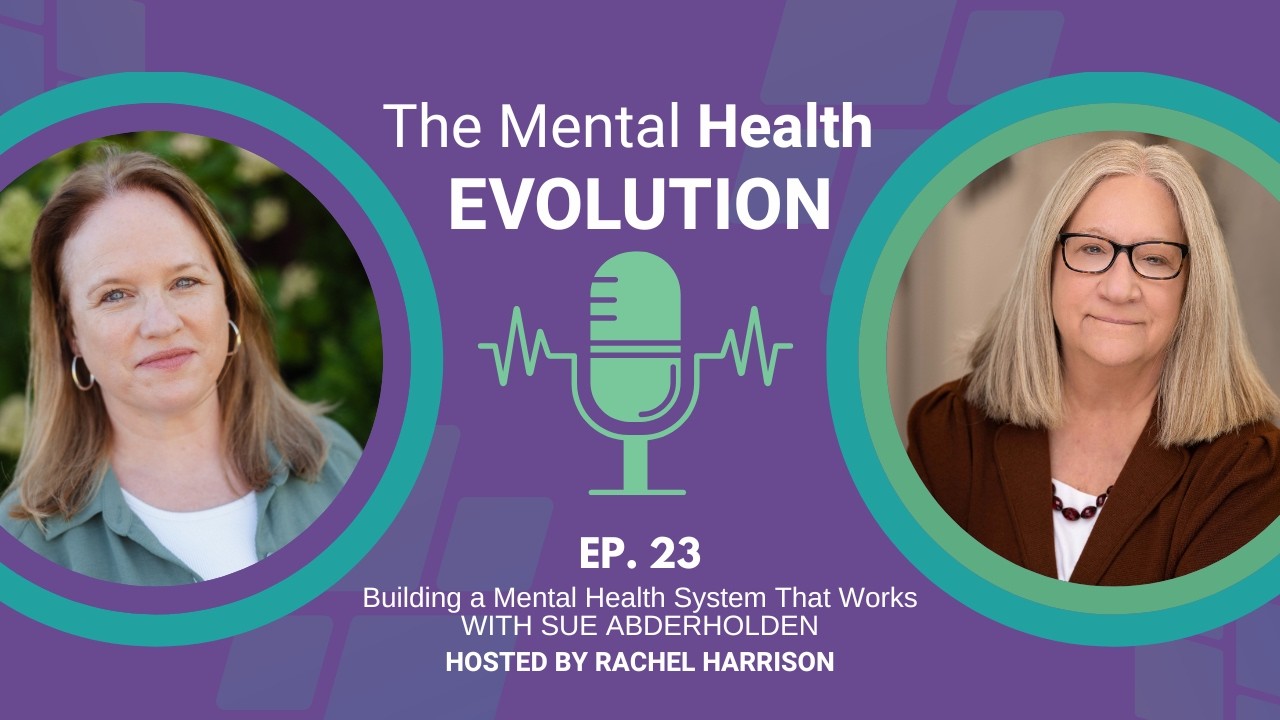
Building a Mental Health System That Works with Sue Abderholden
Sue and Rachel open with this framing and it serves as the organizing thesis for everything that follows, asking what system actually existed before and reorienting the conversation toward what still needs to be constructed.
Viewing Mental Health Care Through a Family Systems Lens
The episode's organizing framework throughout: Rachel explicitly borrows the family systems therapy lens to argue the mental health industry must be understood as an interconnected system where every player shapes the others.

The Shift Towards Patient-Centered Healthcare | Anders Vege of the "What Matters to You?" Movement
Anders explicitly frames the WMtY movement as a 'change of culture' requiring retraining clinicians and redesigning organizational workflows, not simply adding a question to an intake.
Trauma Stewardship - Navigating Overwhelm and Finding Support | Laura van Dernoot Lipsky of The Trauma Stewardship Institute
Laura returns multiple times to the argument that individual self-care framing shifts burden onto workers rather than organizations, and that systems have a moral mandate to create sustainable conditions for helpers.
Welcome to the New Chapter of the Podcast
The entire episode frames mental health's current moment as a structural transformation driven by VC funding and insurance consolidation, not incremental change.
Where this comes up substantially
17 episodes
Be the One Who Does It
Rachel twice invokes Sue Abderholden's point from Ep 23 that the mental health system is still being built, and closes by asking what role practices, tech companies, and AI should have in it.

What the Research Actually Shows About AI Therapy with Dr. Nick Jacobson
The policy discussion covers state bills modeled on Illinois legislation, the unlicensed-practice framing, and consumer protection as a more functional regulatory alternative, occupying a substantial portion of the conversation.

Trusted Tools for Peer Workers with Naveen Raman
The Swiss cheese model of layered defense, vetted source curation, human-in-the-loop design, and Azure deployment safeguards are discussed as deliberate architectural choices rather than incidental features.

Technology, Therapy, and the Future of Care
Rachel distinguishes reflective listening, coping-skills work, and deeper root-level approaches like EMDR and psychodynamic therapy to argue that different tech tools may match different levels of care, and conflating them is a clinical problem.
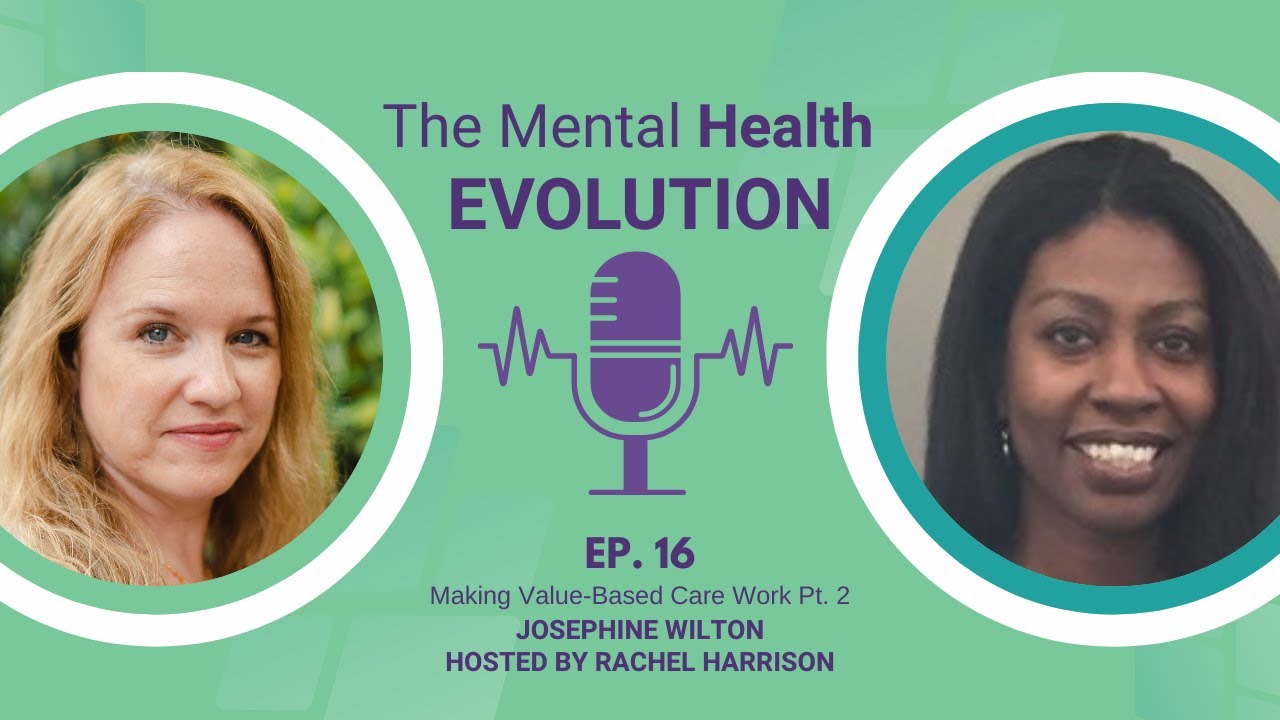
Why Value-Based Care Can Feel So Hard with Josephine Wilton, Pt. 2
A recurring argument is that providers who do not own and understand their own utilization data cannot effectively challenge health plan benchmarks or make the case for the value their organization delivers.
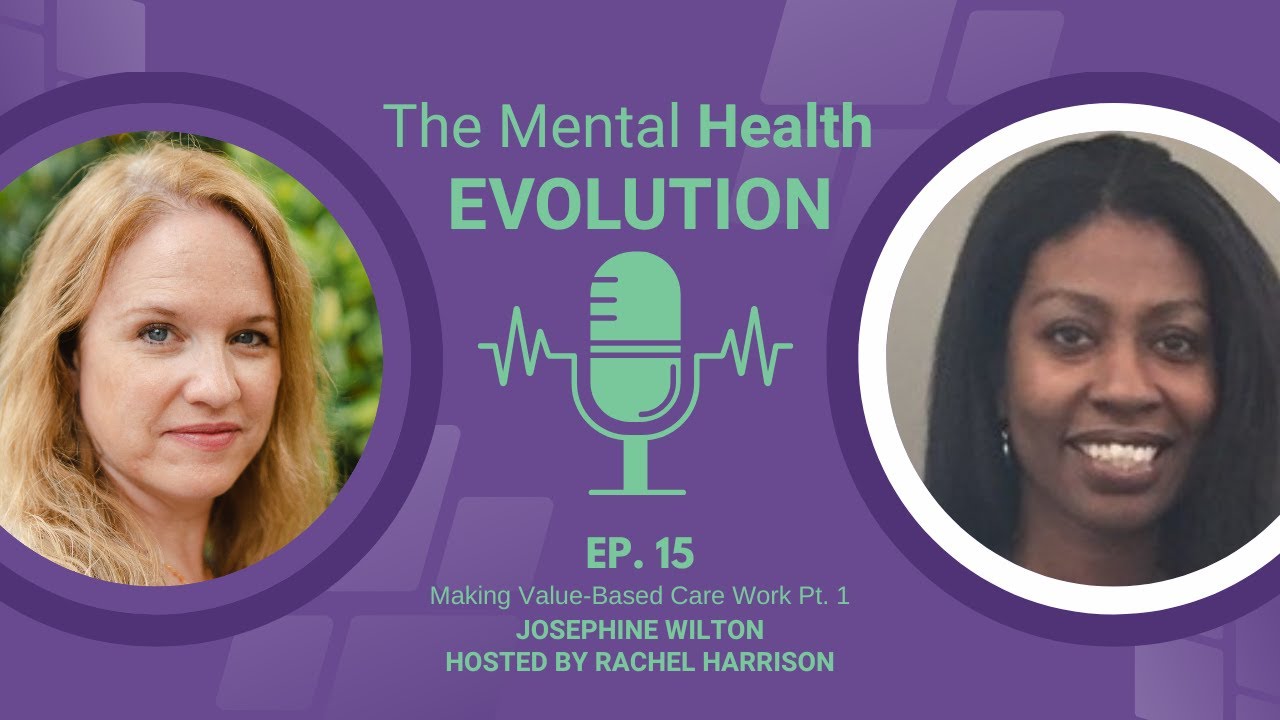
Making Value-Based Care Work with Josephine Wilton Pt. 1
Josephine identifies structural gaps in how VBC is designed — data lag, late stakeholder involvement, misaligned incentives — that make the model difficult to execute regardless of intent.

Policy Shifts in School Mental Health with Matthew Stone
Matthew argues that a competition restricted to one credential type cannot respond to the diverse local needs of different districts, which may need counselors, social workers, or psychologists depending on their student population.

Private Equity in Mental Health Care with Dr. Jane Zhu
Dr. Zhu frames PE as one symptom of broader healthcare financialization rather than an isolated villain, and argues that ownership transparency is the structural intervention with the most near-term traction.

Building Mental Health Practices Without Burnout with Dan King
Dan argues for a shift toward comprehensive behavioral health that integrates therapy, psychiatry, psychological testing, and physical health rather than relying on a single modality to address every problem.
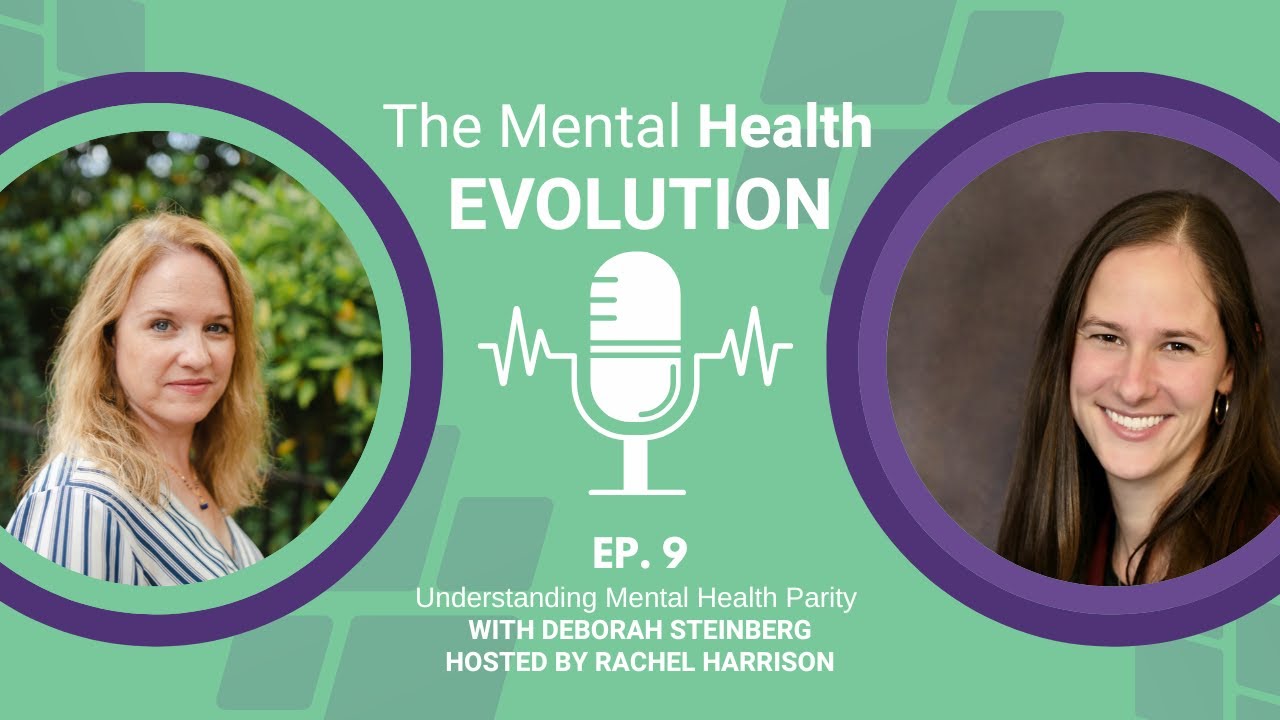
Understanding Mental Health Parity with Deborah Steinberg
Deborah traces the historical roots of insurance discrimination back to the 1930s, arguing the system was never designed to include mental health and is only now being forced to catch up with the science.
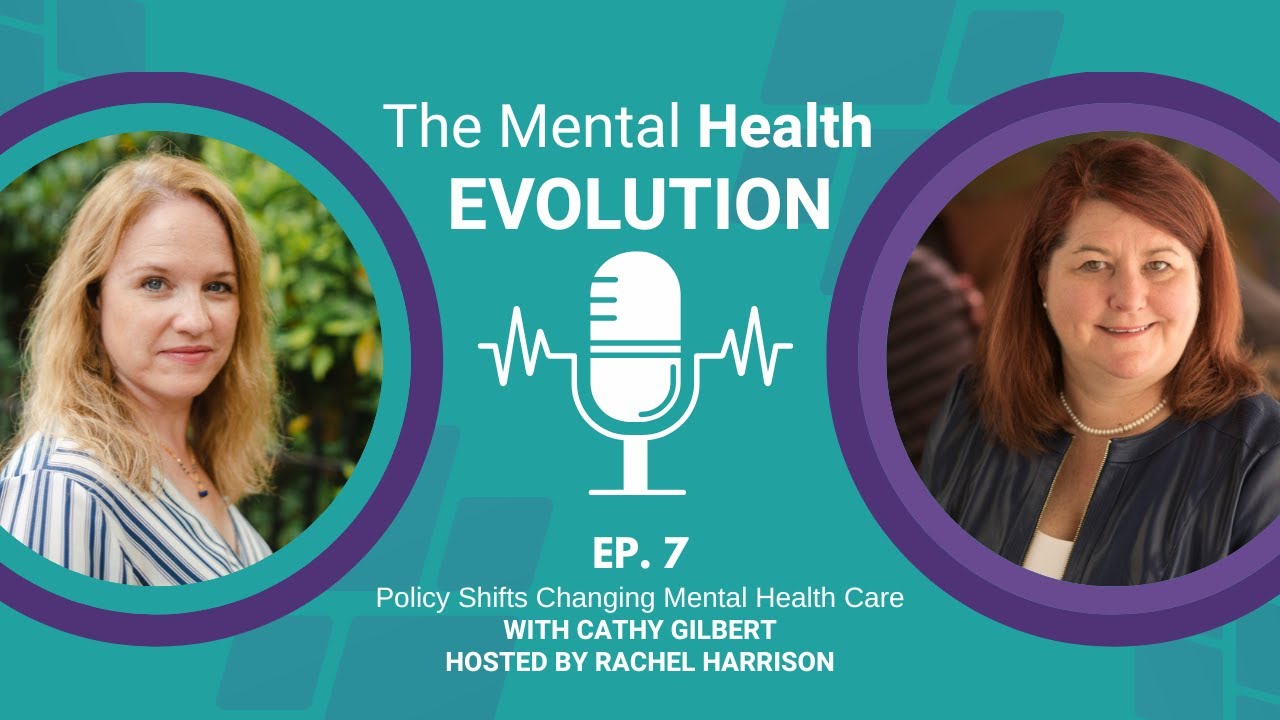
Policy Shifts Reshaping Mental Health Care with Cathy Gilbert
Cathy frames the bill as slash and burn rather than targeted reform, raising the structural question of whether requiring work for Medicaid eligibility while simultaneously cutting the training programs that help disabled people get jobs is coherent policy.

When AI Meets Therapy: Risks, Ethics, and Advocacy with Dr. Ajita Robinson
Both speakers argue that the fragmented cottage industry framing from insurers misrepresents an externally created problem, and that the same companies framing clinicians as incapable are suppressing clinician wages.
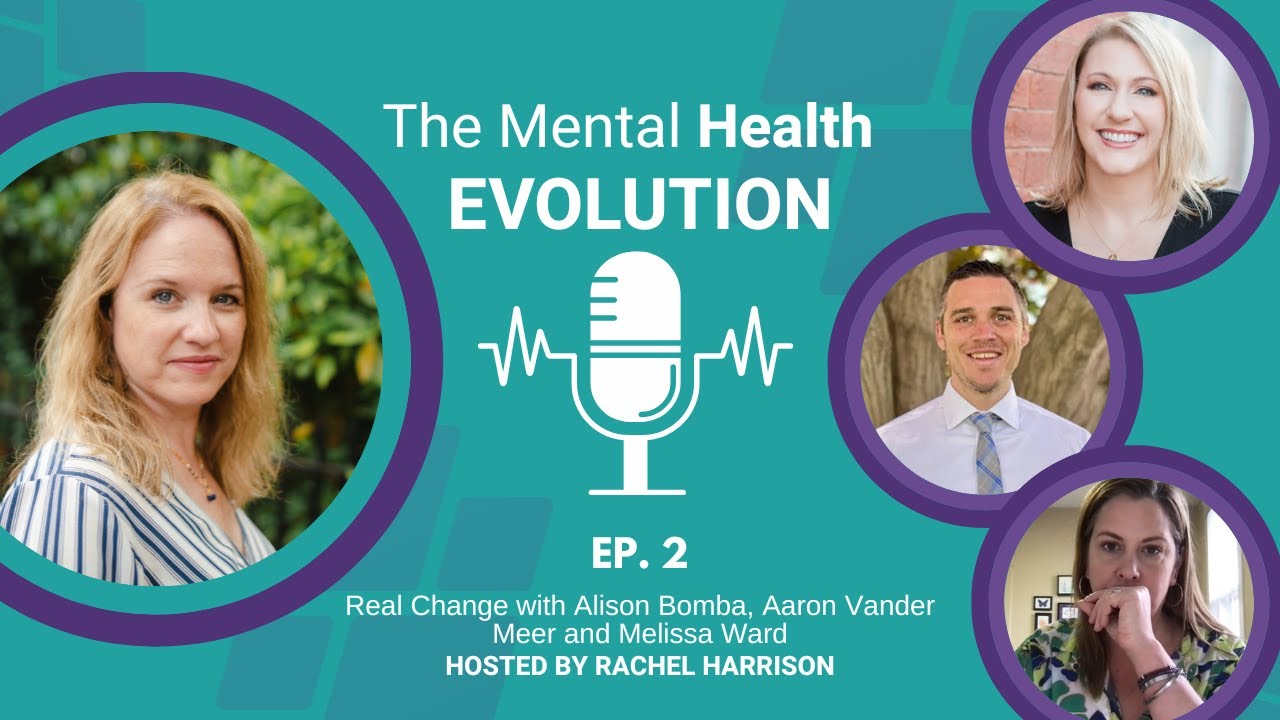
Real Change
The group discussed CVS, UnitedHealthcare, and private equity acquiring mental health market share, framing it as a structural shift that requires new ethical standards and professional unification before those standards get written without the field's input.
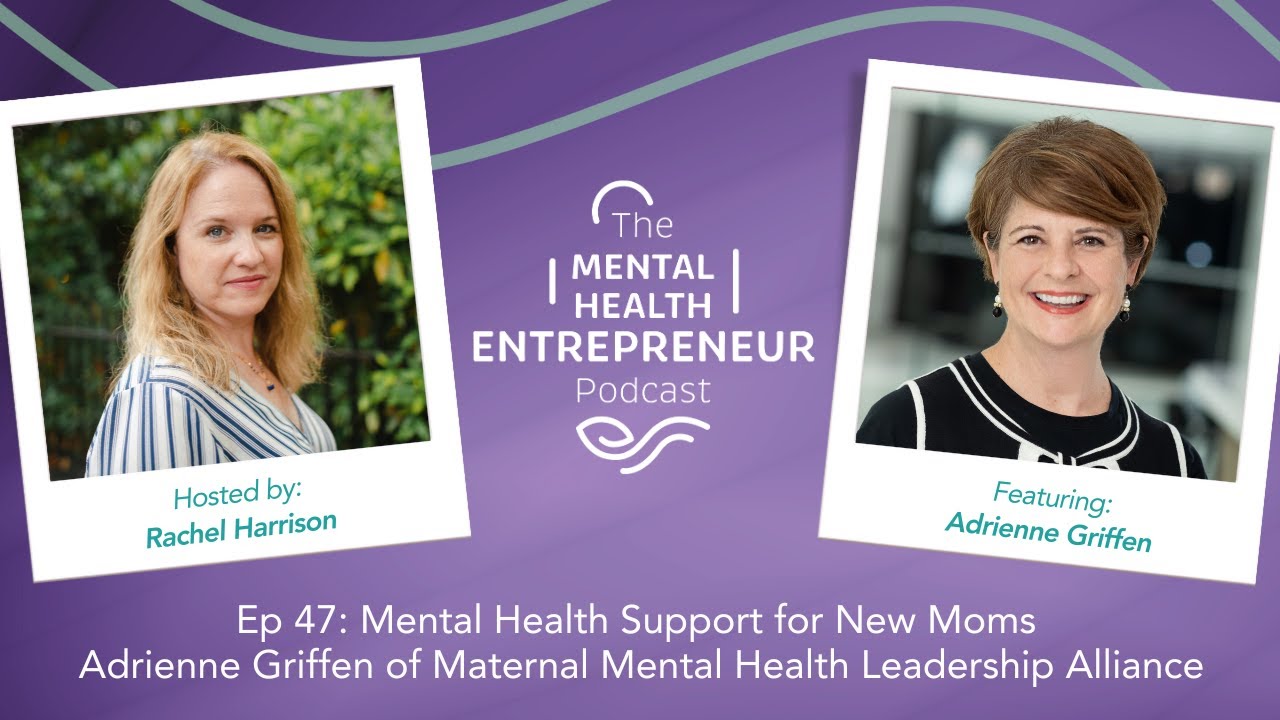
Mental Health Support for New Moms | Adrienne Griffen of Maternal Mental Health Leadership Alliance
The false divide between physical and mental health, the absence of mother-baby psychiatric units in the US (common in the UK and France), and the OB functioning as de facto primary care provider all surface as structural design failures the field is now slowly correcting.
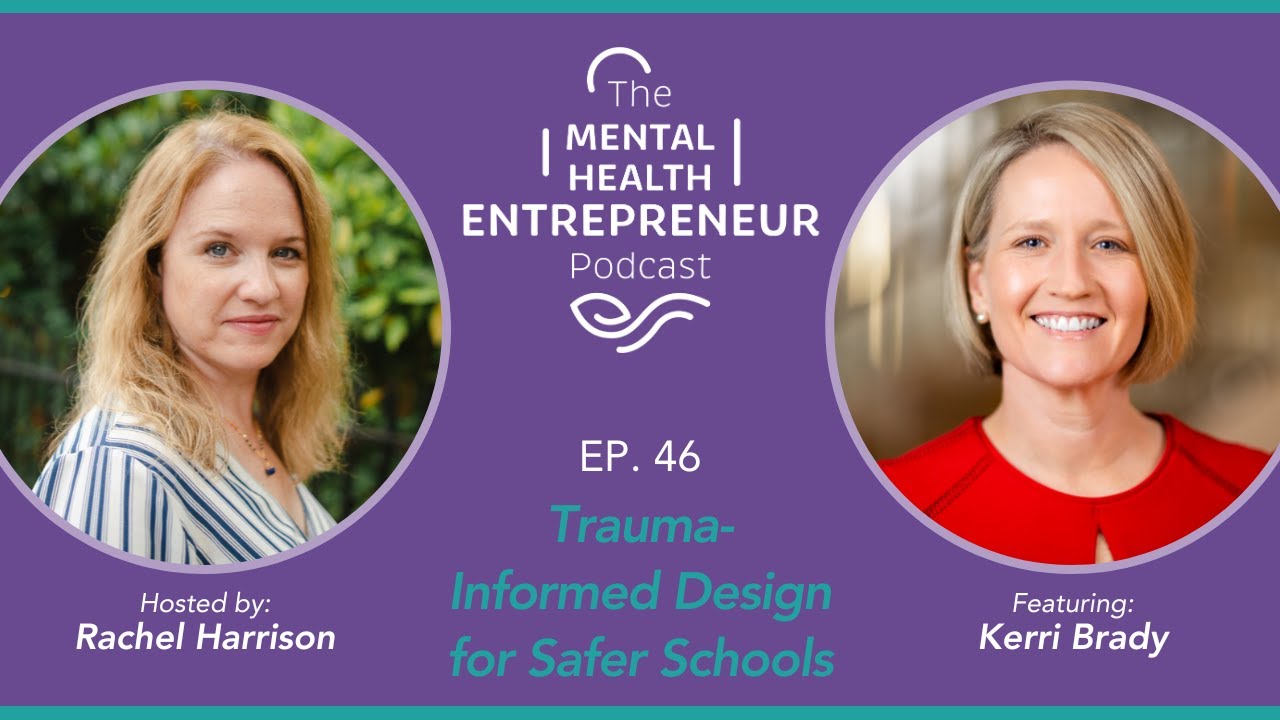
Trauma-Informed Design for Safer Schools | Kerri Brady of Huckabee
Kerri advocates for the design community to join a multi-disciplinary prevention table that currently excludes them, making a structural argument about who belongs in which conversations.

The Reality of Parity Enforcement
The episode examines the federal enforcement pause on the 2024 Final Rule and the resulting shift toward state insurance departments as the primary accountability mechanism.

When Payers Own the Data: What the CAQH Rebrand Means for Providers
Rachel explicitly frames the CAQH change as one piece of a broader pattern of insurer ownership extending to outpatient clinics and data processing infrastructure.
Mentions
3 episodes
Mentions
3 episodes
Supporting the ALICE Community | Alison Pidgeon of Move Forward Counseling
Alison briefly sketches future possibilities — psilocybin-assisted therapy and a therapy-coaching hybrid model — as examples of the systemic redesigns she thinks the field is ready for.
Inside Behavioral Health Systems with Cathy Gilbert
Kathy's thesis point from her graduate work, that Americans want the best care fastest and cheapest, is raised near the end as a cultural constraint on any systemic reform.

Big Mental Health Stories & Trends to Watch in 2026
HHS's strategy to expand AI across its operations is cited briefly as an example of AI entering care delivery without adequate regulatory oversight.
Looking to go deeper in your own work?
These TSTI trainings build on conversations from the episodes above.