A flagship moment on this theme
"What oftentimes I read is that the problem is when I read articles on this, there's not enough beds. So maybe this is true, maybe there's just never enough beds. And as we launched it out, we found out there's a lot of beds available. There is an operational problem with how we efficiently link all of the services together in real time and find where the closest, best clinically matched bed is for the patient."
This is the reframe the whole platform rests on. Clinicians who have worked in or around ERs have heard for years that the system is overwhelmed because there are no beds. Hearing that the data shows otherwise, that the problem is coordination rather than capacity, is the kind of finding that shifts how a practitioner thinks about the problem.
Where this is a central topic
16 episodes

What Happens When You Replace the Fax Machine with Shana Palmieri
Shana spends substantial time articulating where AI belongs in behavioral health (operational efficiency, clinical information surfacing, pattern recognition for diagnostics) and where it does not (final clinical decision-making, detention-based risk prediction).

What the Research Actually Shows About AI Therapy with Dr. Nick Jacobson
The episode centers on Therabot's seven-year development, its RCT results, safety and crisis protocols, and the critical distinction between clinically purpose-built AI and repurposed general-purpose foundation models.

What Clinicians Need to Know About AI Law with Dr. Nick Shumate
The entire episode centers on how AI tools operate in and adjacent to clinical mental health care, including chatbots, wellness apps, AI prescribing pilots, emotional monitoring, and the documented harms when guardrails are absent.

When States Step Up for Safety with Delegate Lily Qi
The entire episode is organized around HB 883 and the question of whether AI chatbots must disclose that they are not licensed clinicians, including the specific psychological risks of chatbot design in mental health contexts.

Advocacy, Autonomy and the Future of Psychotherapy with Linda Michaels of PsiAN
The episode explicitly names Talkspace mining therapy text transcripts to train its own large language model, and frames this as the likely trajectory for any practice management platform that accumulates session data.
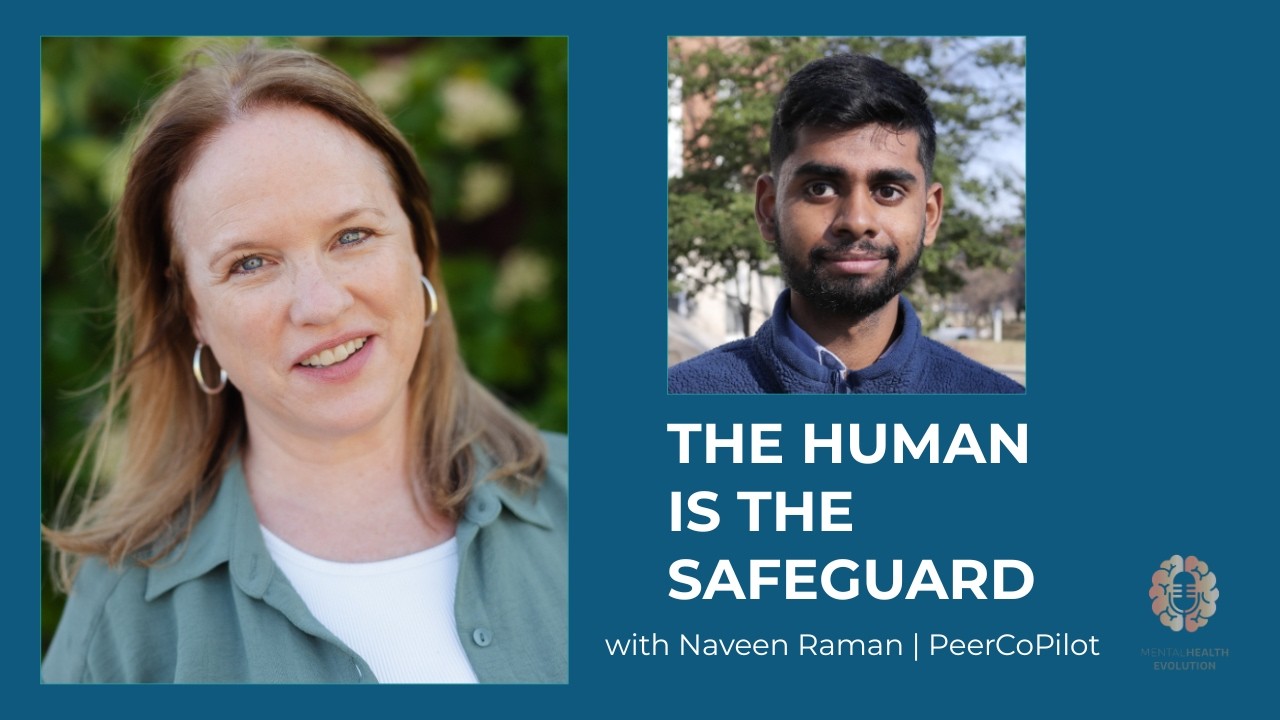
Trusted Tools for Peer Workers with Naveen Raman
The entire episode examines Peer Copilot, an AI assistant designed specifically for peer support workers, including its architecture, safety design, and real-world testing in New Jersey behavioral health settings.

Ethical Marketing Strategies for Mental Health Practices with Adrienne Wilkerson
Substantial discussion of why AI cannot replicate empathy in marketing content, the growing trend of men using AI as a therapy substitute, and documented safety failures including lawsuits over AI interactions that encouraged self-harm.
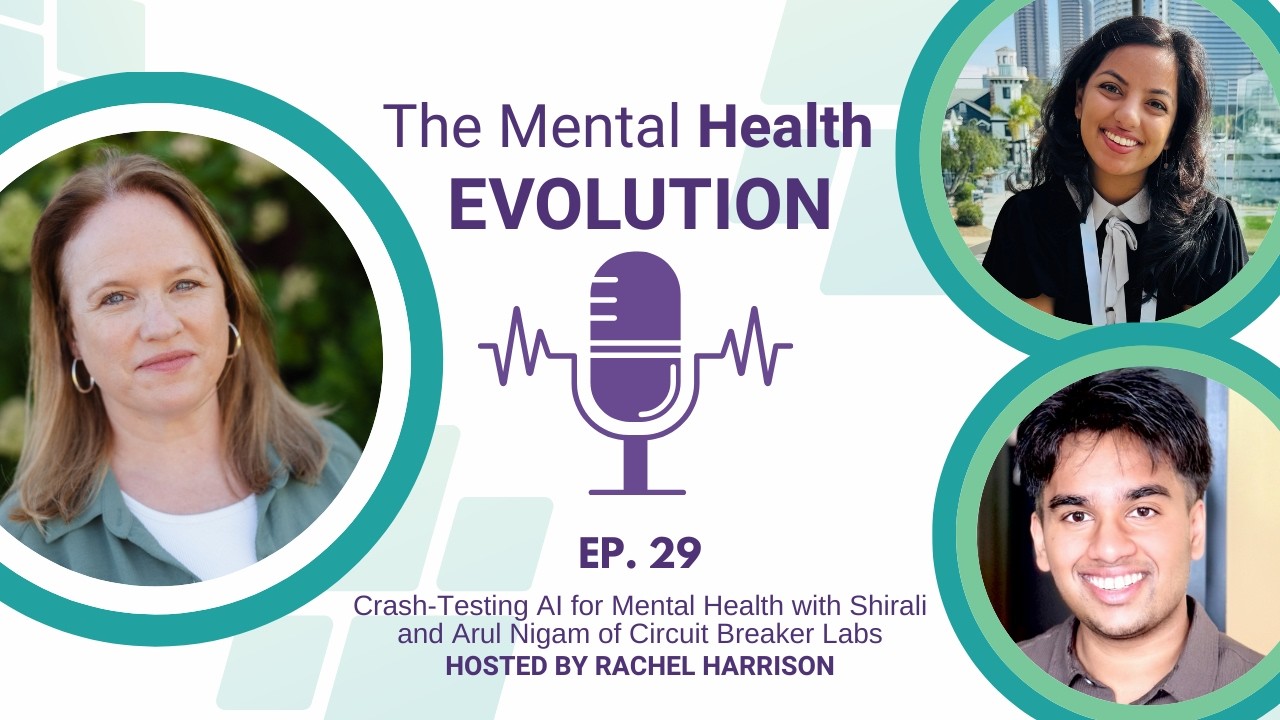
Crash-Testing AI for Mental Health with Shirali and Arul Nigam
Three research articles frame the conversation: AI chatbots systematically violating ethics standards, users developing delusions after chatbot interactions, and teenagers dying by suicide after AI companion engagement.

Tiered Care, Technology, and the Future of Mental Health
The episode maps specific technology applications across five distinct stages of care drawn from a PMC peer-reviewed article, giving the discussion a research-grounded structure rather than a speculative one.

Big Mental Health Stories & Trends to Watch in 2026
Rachel discusses at length the documented harm from AI-only therapy models, active lawsuits, and the case for human-supervised AI handling scheduling, notes, and between-session support.

The Future of SMI Treatment with Dr. Scott Feers
AI tools including point-of-care assistants, LLM-based treatment goal tracking, relapse detection algorithms, and AI scribes are discussed in concrete clinical terms with specific examples.

AI and Measurement-Based Care with Dr. Dylan Ross
Blueprint's AI scribe and AI-assisted clinical decision support are described in detail, with the finding that AI scribing drove a 60 percent increase in MBC adoption named as the episode's sharpest and most surprising data point.

Navigating Tech in Private Practice with Uriah Guilford
The episode's central thread: Uriah's predictions about AI avatars, AI receptionists, and AI advisory teams; Rachel's clinical argument against AI scribes; and the question of where AI helps versus harms in the clinical relationship.
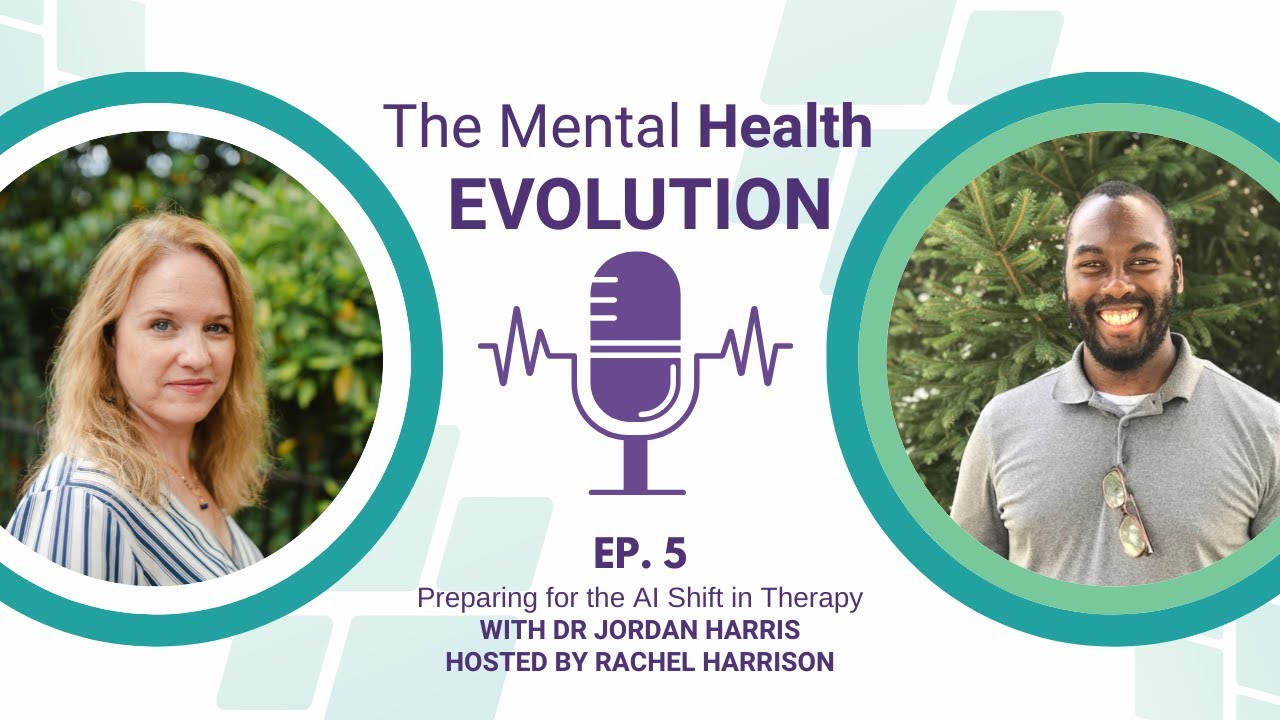
Preparing for the AI Shift in Therapy with Dr. Jordan Harris
The episode's central argument throughout: AI is already outperforming some therapists at validation and empathy-signaling, clinicians have a narrow window to upskill, and the right response is engagement rather than resistance.

When AI Meets Therapy: Risks, Ethics, and Advocacy with Dr. Ajita Robinson
The episode opens with documented harms including a teen suicide linked to AI therapy use, ChatGPT psychosis, and the absence of crisis protocols in most AI chatbots, then returns to this thread throughout.
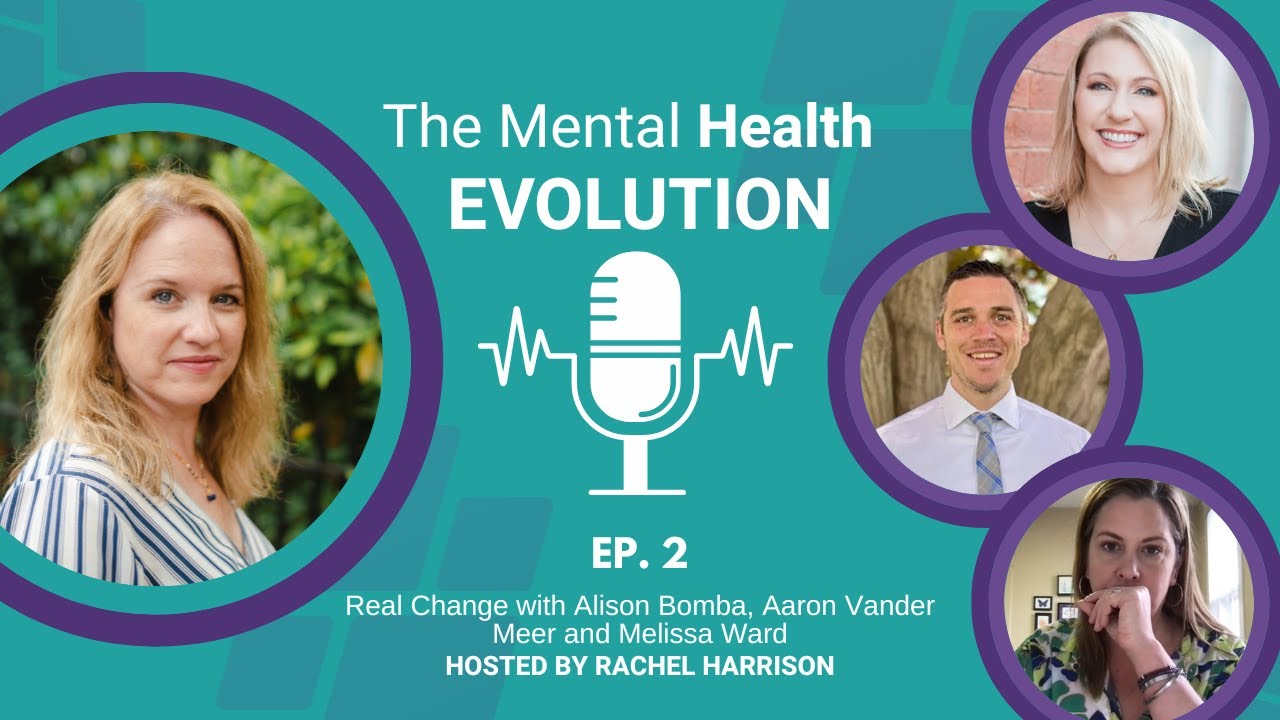
Real Change
The group returned repeatedly to chatbot therapy as a specific harm — no licensure, no human experience, data collected to train the model — framing it as the sharpest edge of a broader problem with unregulated tech in clinical care.
Where this comes up substantially
4 episodes
Be the One Who Does It
Drawing on Dr. Ajita Robinson (Ep 4) and Delegate Lily Qi (Ep 40), Rachel covers how New York, Nevada, Illinois, and Maryland are approaching AI in behavioral health while federal leadership is absent.

Stop Doing What Worked Ten Years Ago with Dr. Elizabeth Carr
Discussed in a substantive middle section where Dr. Carr argues manualized treatments are most vulnerable to AI replacement, relational in-person work is harder to commoditize, and current AI tools have a serious and documented safety gap in crisis situations.

Technology, Therapy, and the Future of Care
Rachel argues that the most defensible use of AI in clinical settings is reducing documentation, scheduling, and billing load so clinicians can spend more time doing the actual therapeutic work they were trained for.

Using Brain SPECT Imaging for Mental Health Treatment | Dr. Rishi Sood of the Amen Clinics
Dr. Sood envisions AI coaches filling the gap between appointments; Rachel pushes back on whether that reduces human connection; they find common ground around AI as cognitive-load reducer rather than clinician replacement.
Mentions
3 episodes
Mentions
3 episodes
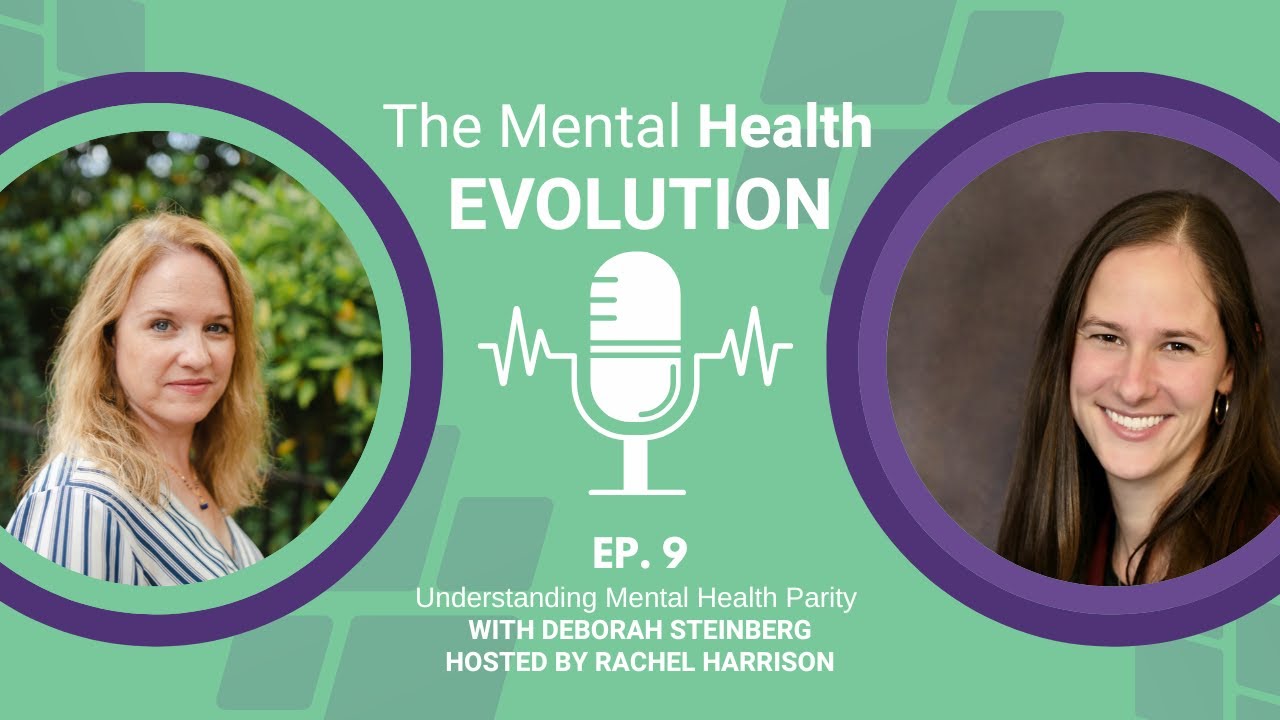
Understanding Mental Health Parity with Deborah Steinberg
In a post-recording conversation, Deborah and Rachel discuss AI being used to deny insurance claims and the absence of real privacy protections for mental health apps that fall outside HIPAA jurisdiction.
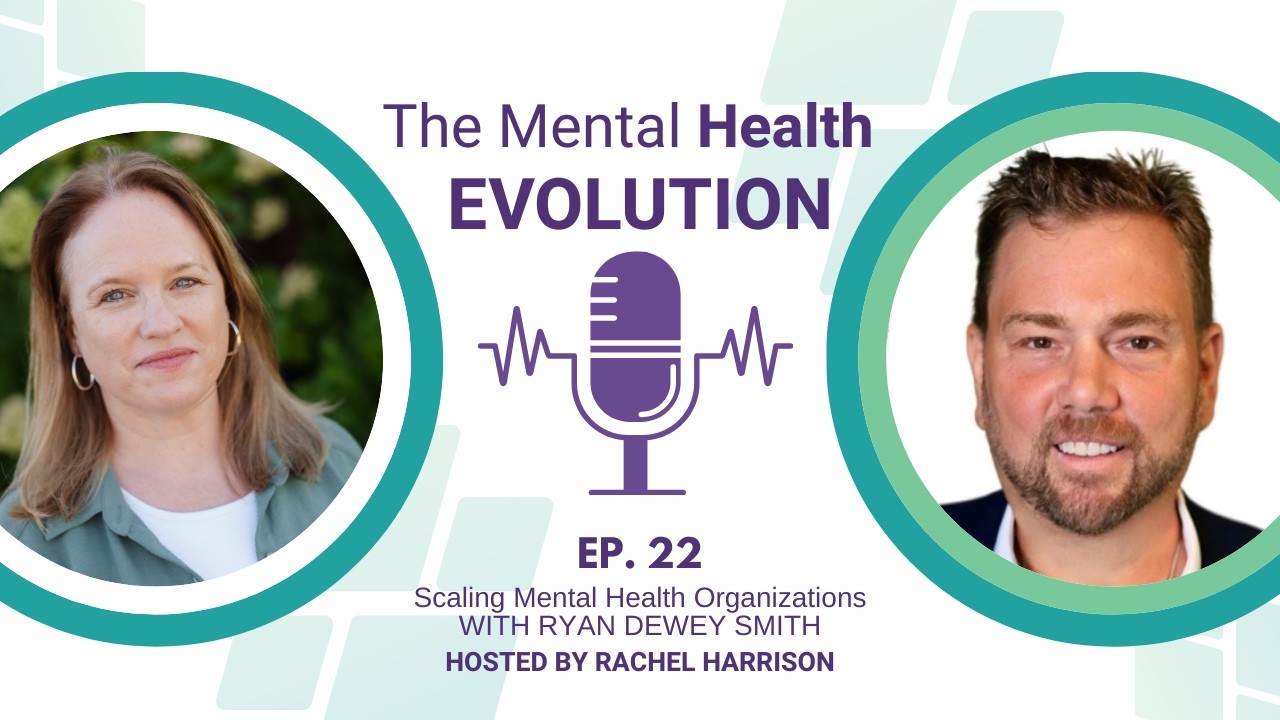
Scaling Mental Health Organizations with Ryan Dewey Smith
Brief mention of Palantir Foundry for data warehousing, KPI tracking, and occupancy trends, framed as a back-office efficiency tool rather than anything clinical.

10 Years of Trauma Specialists - a Live Episode
Rachel mentions AI therapists only as a contrast to the relationship-based work she sees as the practice's difference.
Looking to go deeper in your own work?
These TSTI trainings build on conversations from the episodes above.