A flagship moment on this theme
"It's definitely not something we want to do alone on its own. Like, I never can ever look at a scan and just diagnose someone. You know, I think the human condition way too much for that."
Counters the fear that brain imaging reduces patients to data points; Dr. Sood defends clinical judgment at the exact moment he is defending the technology, which makes the combination land differently than either argument would alone.
Where this is a central topic
12 episodes

Virtual Worlds, Real Skills with Dr. Kryn McClain
The spine of the episode: what VR does that a therapy office cannot, how therapists deploy it in session, and the documented outcomes including unexpected skill generalization to untrained tasks.

Technology, Therapy, and the Future of Care
The episode's resolution: peer-reviewed research supports digital tools for symptom tracking and skill practice alongside human clinicians, but outcomes drop when tools are used without any clinical involvement.

The Future of SMI Treatment with Dr. Scott Feers
Wearables and fitness tracker data are a sustained focus throughout the episode, covering how objective sleep, activity, and heart rate variability data are integrated into clinical assessment and treatment tracking.

Navigating Tech in Private Practice with Uriah Guilford
Broader tech disruption runs through the whole conversation: EHR scribe features, VC-backed therapy platforms competing with private practice, and the compounding change from COVID to telehealth to AI.
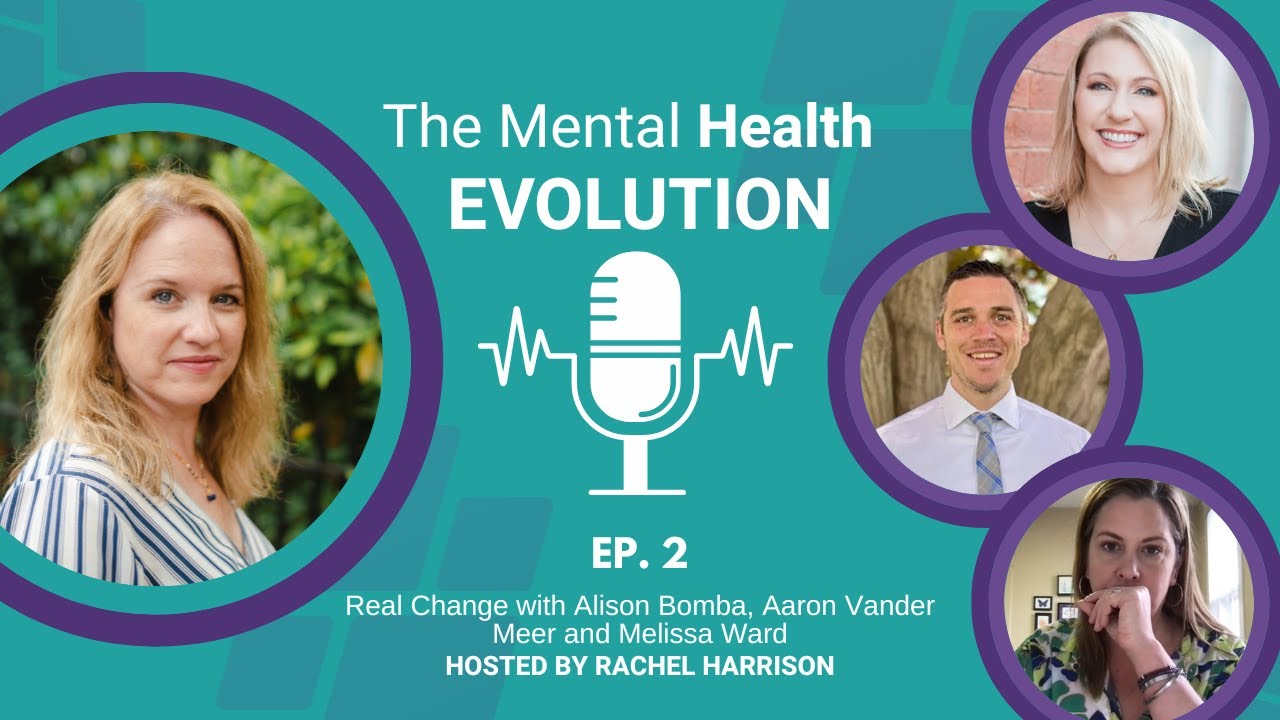
Real Change
The episode examined the full range of tech-mediated care — therapy apps, telehealth platforms, EHR session recording features — distinguishing tools that genuinely expand access from those that replace licensed clinicians or compromise safety.

How Neurofeedback Can Improve Brain Health | Mary Ammerman of the Institute for Applied Neuroscience
The entire episode is built around neurofeedback as EEG biofeedback technology: how it works, who benefits, the range of models, and where the field is heading as consumer devices become more affordable.

The Immersive Power of Virtual Reality Therapy | Dr. Kryn McClain of CatapalloVR
The entire episode centers on how VR functions as a clinical tool, how it integrates into sessions, what it can and cannot replicate, and where the technology is heading in clinical and community settings.
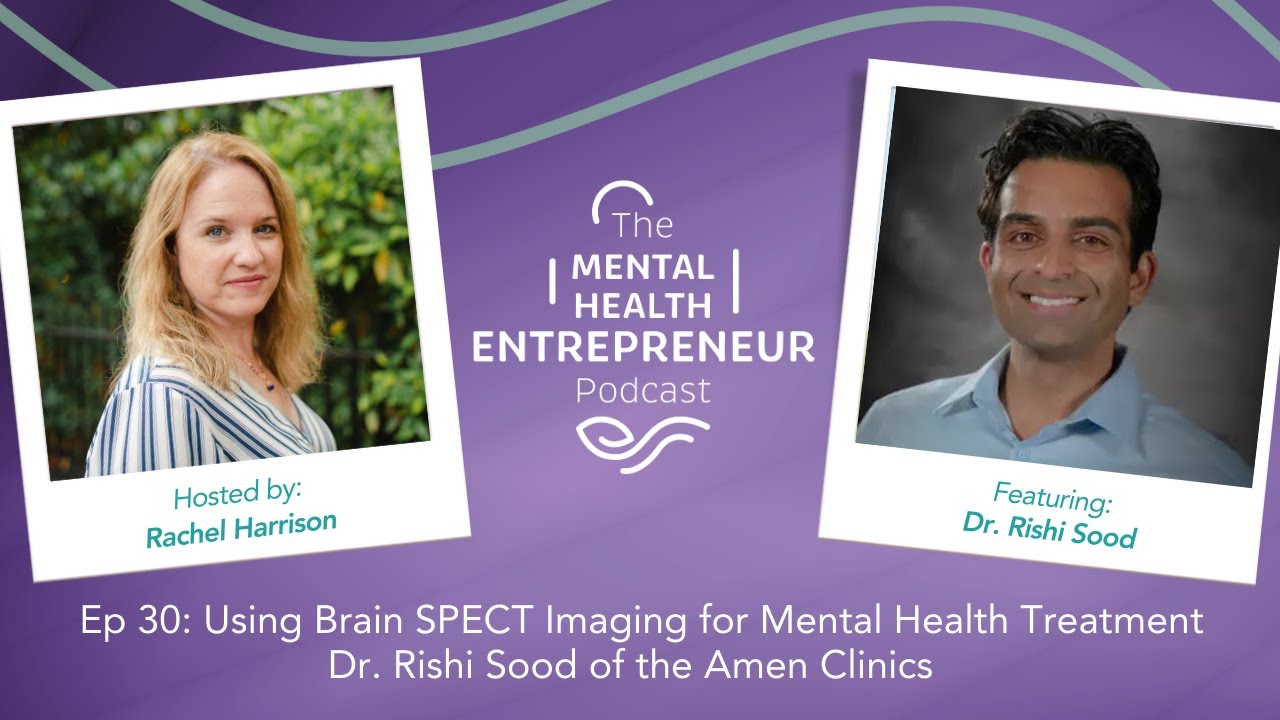
Using Brain SPECT Imaging for Mental Health Treatment | Dr. Rishi Sood of the Amen Clinics
SPECT imaging is the spine of the episode: what it measures, how it changes diagnosis and treatment planning, and why it has not been adopted as standard of care despite three decades of use at Amen Clinics.
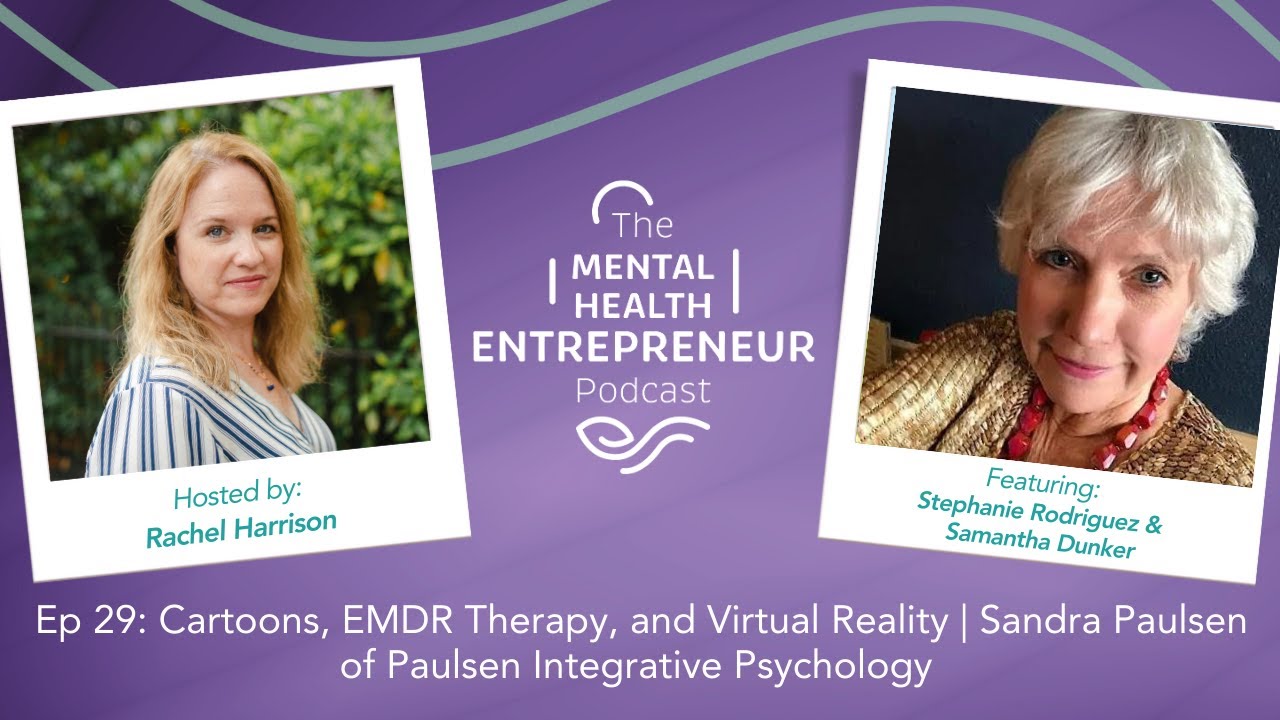
Cartoons, EMDR Therapy, and Virtual Reality | Sandra Paulsen of Paulsen Integrative Psychology
Sandra proposes a detailed vision for using virtual reality to deliver the repair phase of early trauma EMDR protocols at scale, specifically for implicit memory work that has no narrative record.

Finding Freedom with Food Through Technology | Dr. Megan Osborne of Peace With Food
Peace With Food is the entire subject: how clinical methodology gets translated into a mobile app, what it takes to maintain one as a small team, and how the app functions as an adjunct to rather than a replacement for clinical care.

Innovating EMDR Therapy with Online Solutions | Yanick and Benjamin of bilateralstimulation.io
The entire episode centers on bilateralstimulation.io's software and hardware tools for online EMDR, from a free Covid-era web tool built in a single weekend to hand-soldered buzzer prototypes and eventual manufacturing.

What Happens When You Replace the Fax Machine with Shana Palmieri
TransferAll itself is the episode's subject, a behavioral health platform that digitizes and streamlines the psychiatric transfer and care coordination workflow.
Where this comes up substantially
6 episodes
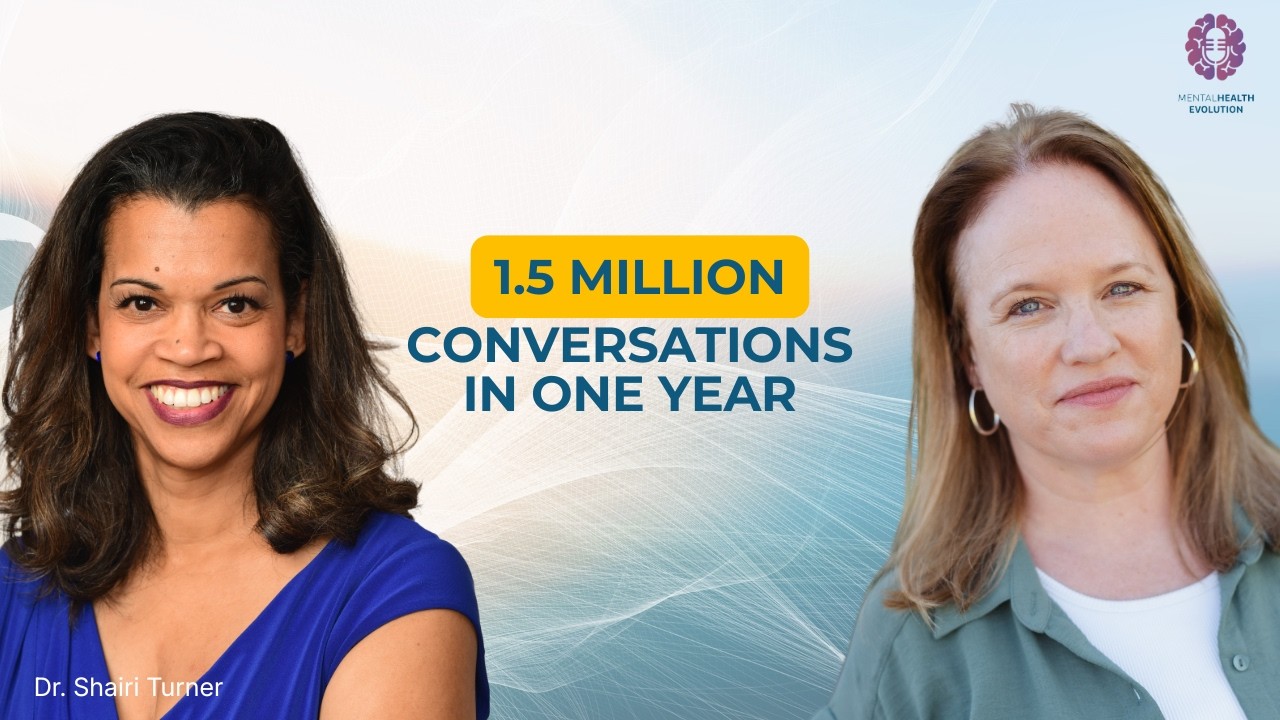
The Crisis Text Line with Dr. Shairi Turner
Text as a clinical medium -- its privacy, quiet, and the active listening skills volunteers deliver through written words alone -- is examined as a substantive modality, not just a workaround for a missing phone call.
Inside Behavioral Health Systems with Cathy Gilbert
Online scheduling, integrated EHRs, and automated outcome tools are presented as practical responses to the access and administrative burdens that solo and small group practices face.

Thriving in Local Therapy Marketing with Becky DeGrossa
BetterHelp, Talkspace, Alma, Headway, and LifeStance are discussed as competitors using broad media spend to acquire new-to-therapy clients, with text therapy singled out as ethically constrained and clinically inadequate.
Viewing Mental Health Care Through a Family Systems Lens
A full dedicated section covering venture-backed platforms, MSOs, text and AI modalities, patient data selling practices, and how tech companies are challenging professional ethics constraints that limit traditional practice growth.

Advocating for Mental Health Insurance Reform | Lisa R. Savage of the Center for Child Development
Both Rachel and Lisa push back on text-based and email therapy platforms, arguing the relational foundation of clinical work cannot be replicated through asynchronous messaging, and Lisa flags predatory clinician recruitment practices at some tech companies.

The Healing Power of Drumming | Jeff Strong of the Strong Institute
Brainstem Audio's platform architecture, the shift from CD-based delivery to online streaming, and the provider portal under development are discussed as the infrastructure layer built around the therapeutic content.
Mentions
8 episodes
Mentions
8 episodes

Using Sound and Holistic Healing to Rejuvenate Your Health | Falyn Morningstar and Ian Morris of Listening to Smile
Ian's sound therapy method uses binaural beats and frequency-based audio as therapeutic tools, including custom playlists for specific health targets like autism, cancer, and pain management, positioning audio technology as a clinical enhancement.
Mental Health Support for New Moms | Adrienne Griffen of Maternal Mental Health Leadership Alliance
Digital apps and telehealth are mentioned as practical tools enabling access for sleep-deprived new moms who cannot leave the house — a brief but specific point about how technology expands the four-part treatment model.

Supporting Grieving Kids Through Play and Connection | Brie Overton of Experience Camps
Experience Craft, a private Minecraft server, and virtual campfire events are mentioned briefly as digital extensions of the camp community, not as core clinical tools.
Preparing for the AI Shift in Therapy with Dr. Jordan Harris
The Amazon/Talkspace partnership and Harris's four-player AI taxonomy are referenced briefly to frame the competitive landscape but are not explored in depth.
Making Psychedelic Therapy Accessible with Myriam Barthes
Journey Clinical runs as a membership platform that therapists add to their private practice, built by a founder with a background in AI and systems work.
Wrapping Up 2024 and What's Next for the Podcast
Mentioned briefly as one category of voices Rachel wants to bring into future conversations — tech companies entering the mental health business.

Current Challenges and Innovations in the Mental Health Field | Check-In with Rachel Harrison
Neurofeedback is referenced once as an example of a technology-based modality that insurance systematically underpays relative to its cost.

Expanding EMDR Therapy To A Group Setting | Regina Morrow Robinson of The Book, EMDR Group Therapy
One brief example: group EMDR was delivered by telehealth to Ukraine using Starlink during the early stages of the war.
Looking to go deeper in your own work?
These TSTI trainings build on conversations from the episodes above.