A flagship moment on this theme
"Usually you don't need to have the answer. That's another thing. Leaders have been conditioned is that they need to have all the answers. No, you don't. You need to know how to communicate with that community that is experiencing barriers. And then you come up with a solution that's going to work for everyone."
Cuts against a core assumption practice leaders carry — that expertise means having solutions ready — and reframes leadership as a listening and communication skill, which lands differently coming from someone who has been on the receiving end of leaders who got it wrong.
Where this is a central topic
5 episodes
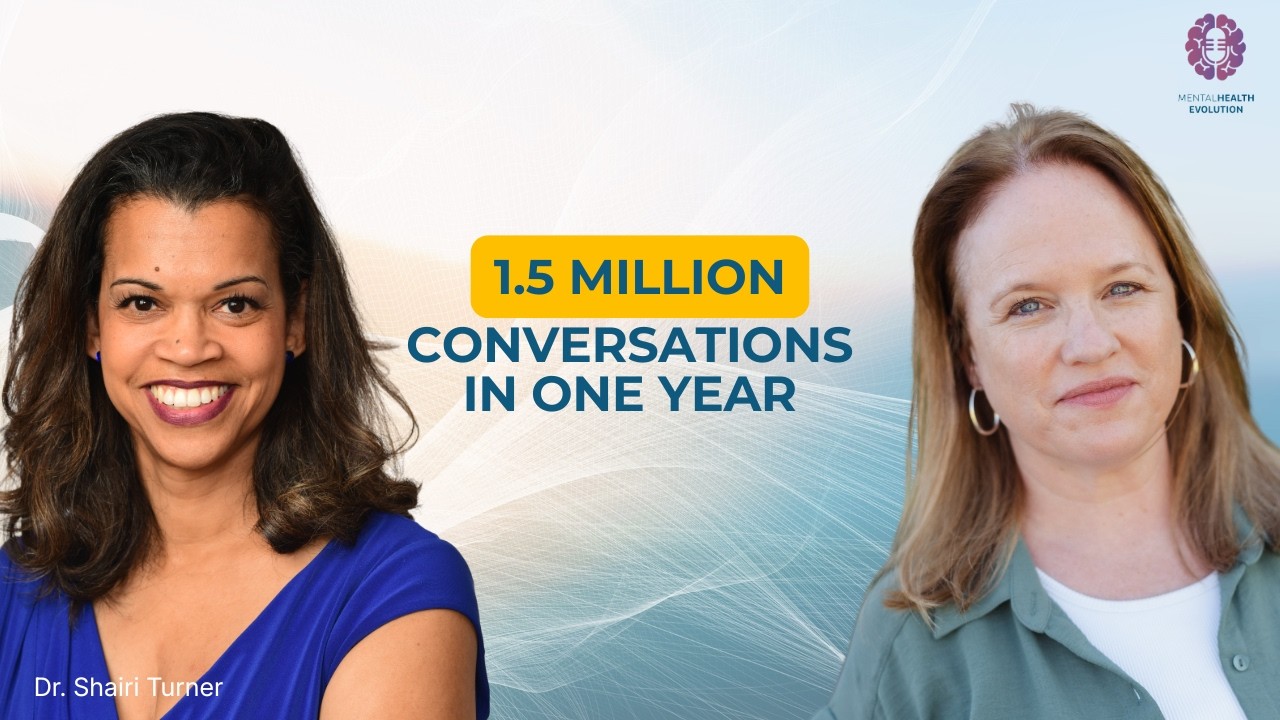
The Crisis Text Line with Dr. Shairi Turner
Adolescent boys and young men are the episode's focal underserved population -- nearly one in three boys under 14 are reporting suicidal thoughts, and the presentation differs enough from clinical training norms that clinicians and families consistently miss it.

Empowering Neurodivergent Voices | Crystal Bowen of Delta Learning Solutions
The episode spends substantial time on how autistic and neurodivergent people are routinely retraumatized inside therapeutic settings, including research Crystal cites showing a large portion of autistic adults have been harmed in therapy — a finding Rachel connects directly to her clinical trauma work.

Healing the Body, Healing the Mind | Samantha Rodriguez and Stephanie Dunker of ATI Physical Therapy
The spine of the episode: both guests describe how ATI screens for mental health on intake, how they refer patients out to mental health, and Rachel explicitly asks how mental health clinicians can refer in to PT — the conversation is structured around building that two-way relationship.

Supporting Grieving Kids Through Play and Connection | Brie Overton of Experience Camps
The entire clinical model at Experience Camps is built on the premise that children grieve through play, not through talk therapy, and every program element from horseback riding to Minecraft servers follows from that premise.

Neurodiversity and Unleashing the Brilliance Within | Erica Whitfield of Positive Development
The entire practice model, coaching format, and future school vision are built around neurodivergent and twice-exceptional children; Erica discusses sensory sensitivities, labeling debates, imposter syndrome in gifted kids, and the six types of giftedness as clinical realities the field largely underserves.
Where this comes up substantially
5 episodes
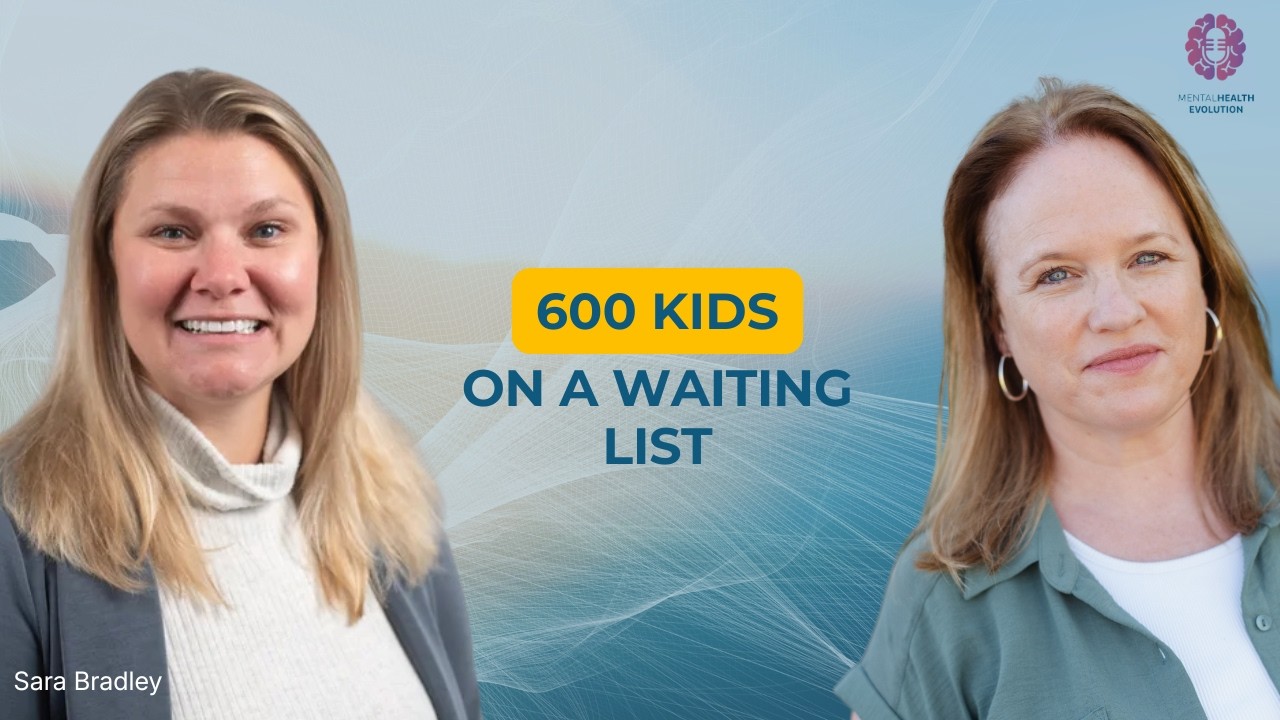
When Child Care Can't Wait for Nine to Five with Sara Bradley
Families navigating substance use disorder recovery are specifically highlighted as a population where childcare access is a direct factor in whether a parent can sustain recovery, drawing on a 2025 JAMA Pediatrics study.

They Knew and They Profited Anyway with Matthew Bergman
The eggshell plaintiff doctrine applied to adolescents: vulnerable kids are disproportionately targeted because their distress drives stronger dopamine responses and higher engagement, which is precisely the population most likely to appear in a clinical practice.

Virtual Worlds, Real Skills with Dr. Kryn McClain
Dr. McClain identifies transition-age youth as the largest unmet need she sees right now, connecting pandemic disruption to young adults entering adulthood without basic life and regulatory skills.

Community Health, Local Solutions with Malcolm Furgol
The coalition conducted a dedicated men's mental health survey and found that men turn to partners or spiritual leaders rather than professionals, suggesting the gap between informal support and professional care is where outreach can intervene.

Breaking the Stigma and Providing Support to First Responders | Sgt. John Haddaway of the Baltimore County Police Department
New slug proposed: the specific intersection of daily cumulative trauma exposure, occupational cultures that suppress help-seeking, and the organizational structures built to address it in police, fire, EMS, and corrections. Distinct enough from canonical entries to warrant its own tag.
Mentions
3 episodes
Mentions
3 episodes

The Relationship Checkup with Dr. James Cordova and Matt Rubin of Arammu
Matt briefly describes a perinatal adaptation of the checkup tied to OB department touchpoints, noting correlations with PPD, maternal suicide, and substance abuse at key postpartum windows.
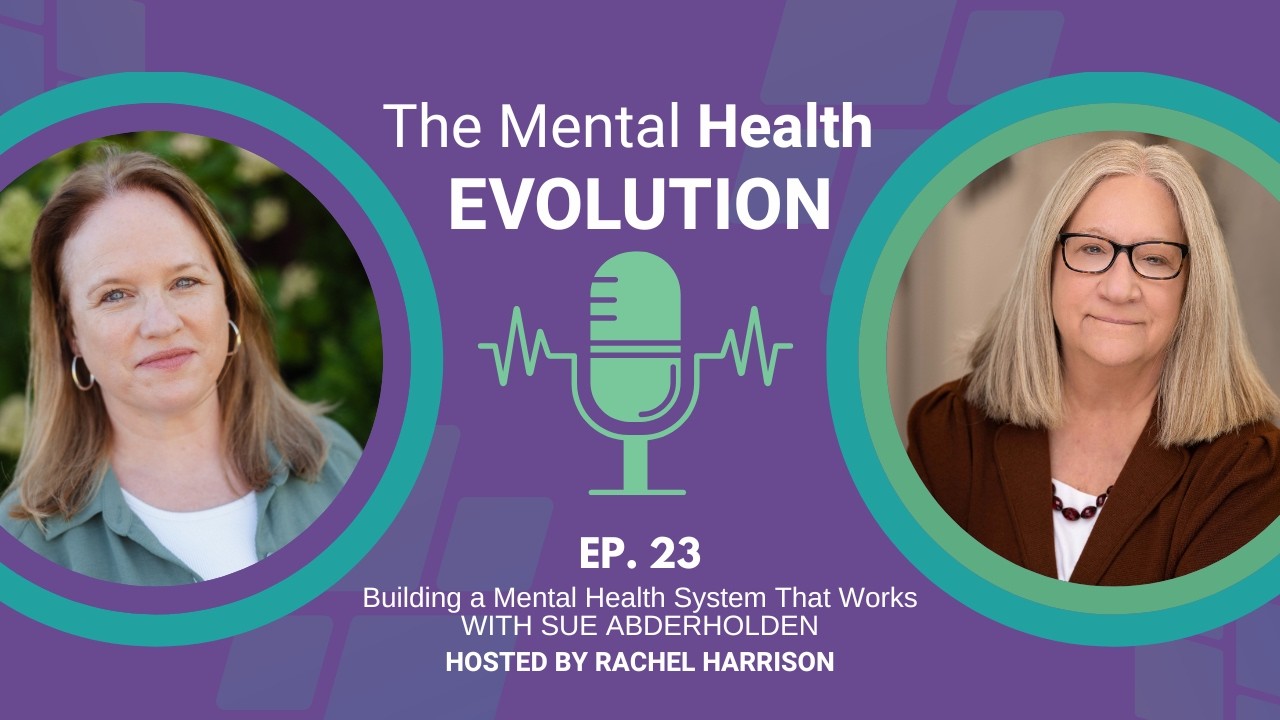
Building a Mental Health System That Works with Sue Abderholden
Briefly touched as part of Sue's career background and again in the crisis section, noting that universal jail screening and rethinking police transport are underused system levers.

10 Years of Trauma Specialists - a Live Episode
Rachel says the practice sees clients from about age 3 to 103, with young children seen alongside their parents, and Tom's story speaks to older adults and men.
Looking to go deeper in your own work?
These TSTI trainings build on conversations from the episodes above.