A flagship moment on this theme
"I think these language models, what they do really well is if you give them like a fixed source, like for example, you could give them like the fixed booklet on SNAP eligibility. It's very good at parsing this and breaking this down into simple terms and understanding this, which can hopefully kind of lower informational barriers and make it easier for people in these kind of spaces to see what's going on."
This is the clearest articulation of where AI is actually reliable in benefits navigation: constrained to a fixed document, it functions as a parsing engine with high accuracy, which is a meaningful practical distinction for how organizations choose to deploy it.
Where this is a central topic
4 episodes
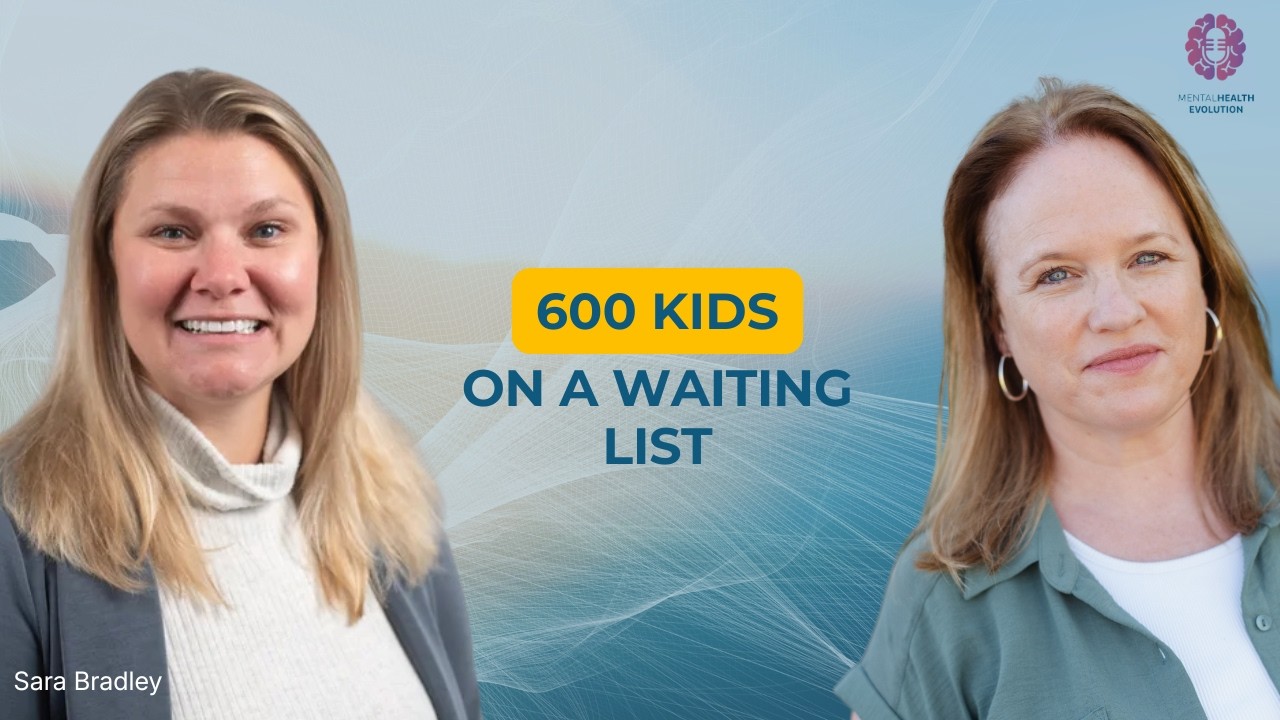
When Child Care Can't Wait for Nine to Five with Sara Bradley
Rachel explicitly frames childcare access as a determinant of mental health outcomes for parents, citing University of Michigan research connecting inaccessibility to anxiety, depression, and burnout in both parents and early childhood educators.

Trusted Tools for Peer Workers with Naveen Raman
Food banks, housing resources, SNAP eligibility, and benefit navigation are the primary use cases discussed throughout, with concrete examples from Newark and Trenton and a detailed walkthrough of the halal food pantry scenario.

Mental Health Access, Telehealth Policy and the Future of Behavioral Health Care with Andrea Fox
Connecting housing, income, and social service data to behavioral health care faces two structural barriers: siloed and technically fragmented data exchanges, and complex patient privacy and consent requirements that behavioral health was largely excluded from solving under HITECH-era funding.

Reconnecting with Hawaiian Heritage | Lohelani Furtardo-Gaspar of Ka`ehu
The episode centers on how the Hawaiian language ban created intergenerational shame that Ka'ehu's programming is explicitly designed to address, tracing a historical policy decision directly to the hesitation participants carry through the door today.
Where this comes up substantially
3 episodes

Everybody's Talking About Mental Health But Nobody's Funding It with Stephanie Slowly Little
Transportation is discussed in concrete terms (half-day commutes to reach a provider for some rural residents), and broadband access is named as a structural gap that limits even telehealth as a solution.
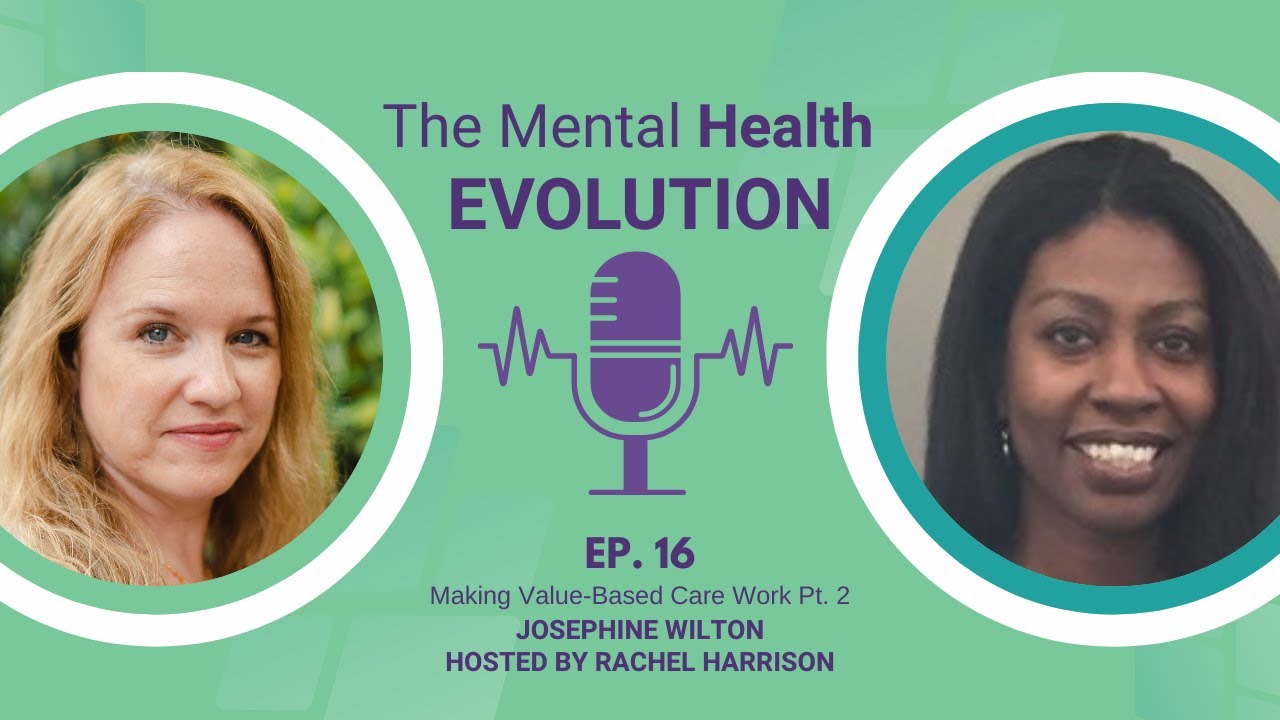
Why Value-Based Care Can Feel So Hard with Josephine Wilton, Pt. 2
Josephine discusses how SDOH screening payment is capped at one screening per year despite patient needs changing constantly, and why the low reimbursement creates a data gap that makes the problem invisible to health plans.

Strategy, Not Panic with Jeremy Zug
Geography, socioeconomic status, and client life circumstances were used to explain why measuring mental health outcomes for value-based reimbursement is structurally harder than measuring outcomes in medical care, and why that creates a perverse incentive problem for providers in underserved areas.

Looking to go deeper in your own work?
These TSTI trainings build on conversations from the episodes above.