A flagship moment on this theme
"When someone expresses distress, mentions self harm or is in crisis, it is the same idea as a crash test for a car. You do not wait to find out if it is safe by putting real people in danger. You test it first under the hardest conditions you can create so you can know exactly where it fails."
The crash test analogy is the spine of the episode and Rachel states it crisply before the interview begins. It is quotable on its own and frames the entire conversation for a reader who has not heard the episode.
Where this is a central topic
6 episodes

The Crisis Text Line with Dr. Shairi Turner
The entire episode centers on how Crisis Text Line operates as a crisis intervention system, from intake through de-escalation to the 1% of conversations requiring emergency dispatch.

The 988 Hotline: Three Years In
Rachel returns repeatedly to the gap between a successful 988 contact and what the person can actually access next - follow-up calls are not standardized, mobile crisis is uneven, and stabilization facilities remain scarce in many communities.
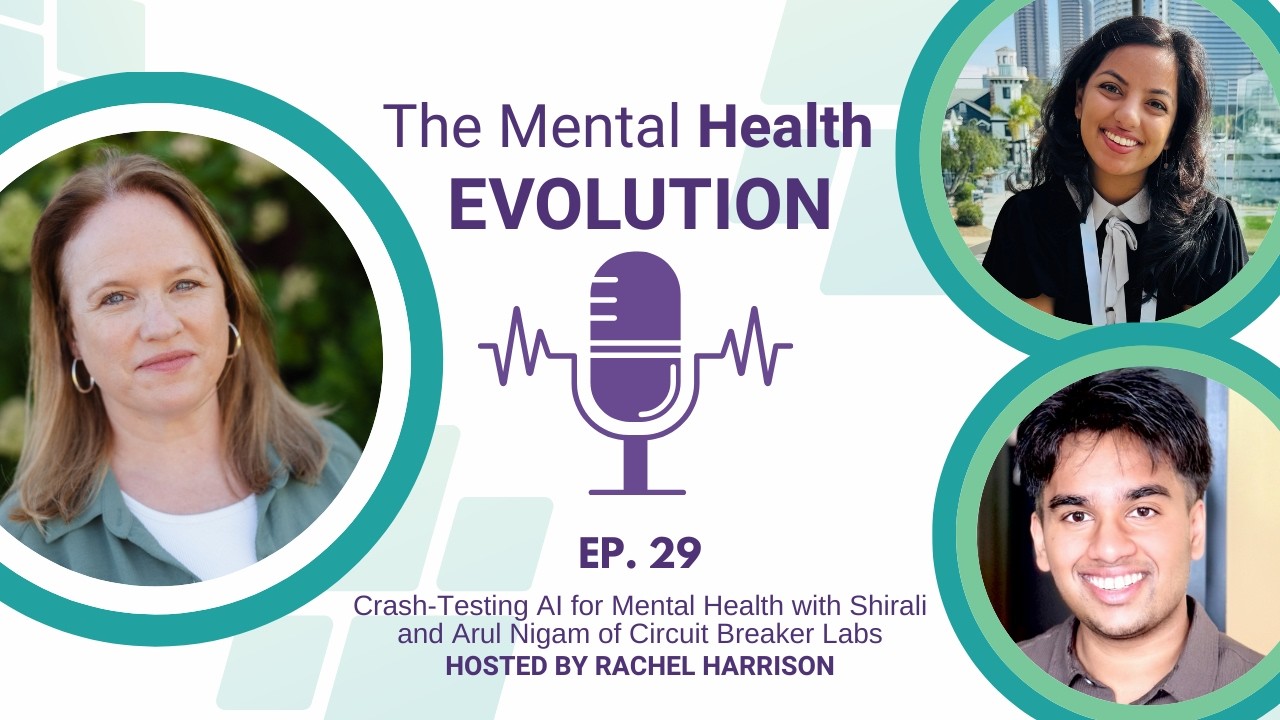
Crash-Testing AI for Mental Health with Shirali and Arul Nigam
Both guests and Rachel return repeatedly to how crisis signals are subtle, indirect, and highly individual — a typo in 'acetaminophen,' a reference to a long drive — and that current AI guardrails miss these.
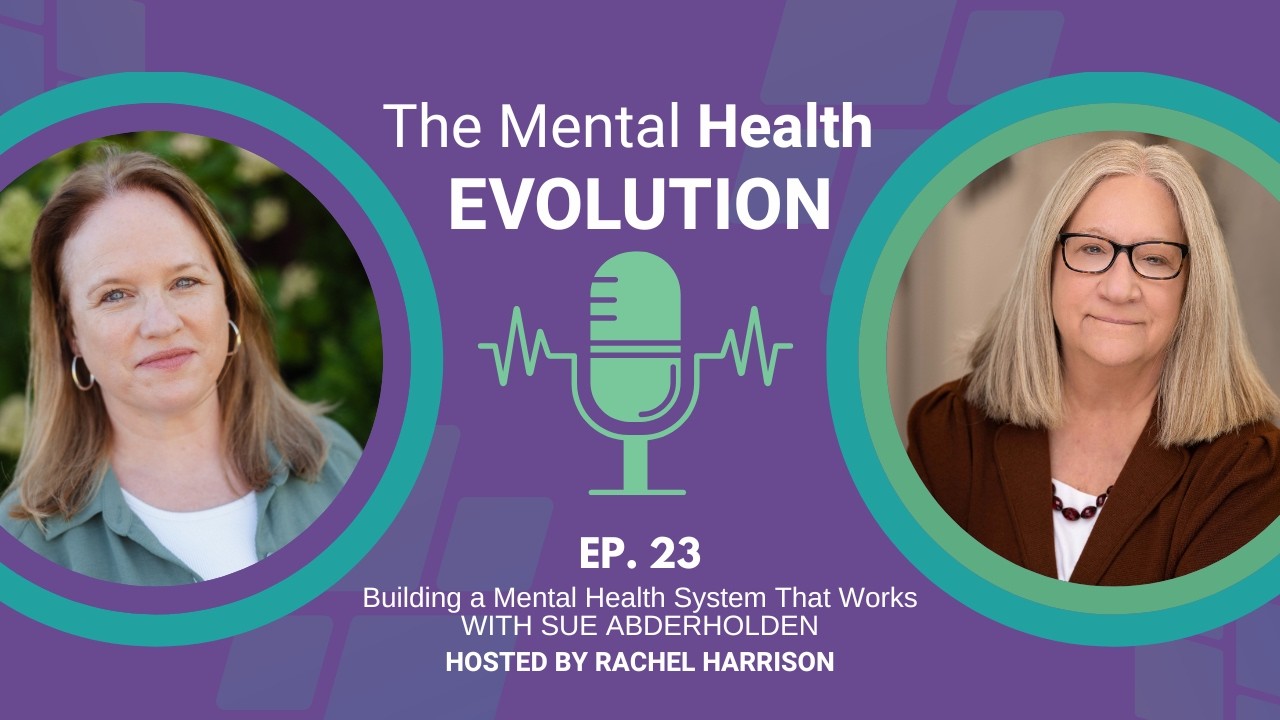
Building a Mental Health System That Works with Sue Abderholden
The longest section of the episode, covering voluntary engagement programs, 988, protected transport, police use-of-force laws, and crisis stabilization beds as alternatives to jails and emergency rooms.

What Happens When You Replace the Fax Machine with Shana Palmieri
The entire premise of the episode is psychiatric patients boarding in emergency departments for hours or days because the placement coordination process is manual and fragmented.

Who Supports the Crisis Workers with Becky Stoll
Burnout, secondary traumatic stress, and staffing shortages in crisis settings anchor the episode from Rachel's framing intro through Becky's structural recommendations.
Where this comes up substantially
1 episode

Looking to go deeper in your own work?
These TSTI trainings build on conversations from the episodes above.