Trauma-Informed EMDR: Advanced Skills for All 8 Phases
Learn How to Adapt and Incorporate Trauma-Informed Techniques at each Phase while maintaining fidelity to Francine Shapiro's model
with Jamie Sedgwick, LCPC, NCC & Jennifer Youdom, LCSW-C

Jamie Sedgwick, LCPC, NCC
Training Director & Consultant

Jennifer Youdom, LCSW-C
TSTI Trainer & Consultant
Completing Basic Training and following the scripts is not always enough for the clients who need EMDR most. This one-day advanced training shows how to hold fidelity to Francine Shapiro's model while adapting each of the 8 phases with a trauma-informed lens.
About This Training
The day is led by Jamie Sedgwick, LCPC, NCC and Jennifer Youdom, LCSW-C, two EMDRIA Approved Consultants who specialize in EMDR for complex trauma. Together they move through a trauma-informed foundation, all 8 phases, and therapist self-care, showing how to adapt the model without losing fidelity so the protocol becomes a vehicle for healing rather than a script to get through.
Two Consultants, One Trauma-Informed Framework
Jamie specializes in EMDR for complex trauma and personality disorders. Jennifer brings deep expertise in developmental trauma, attachment, and dissociation. Between them they have close to 20 years of experience implementing EMDR with complex trauma, and they teach the way they practice: clear, direct, and grounded in trauma-informed principles.
What you'll take away
Three things this training makes possible
- EMDR is not automatically trauma-informed, and you can learn to make it so at every phase.
- Trauma-informed adaptation makes EMDR more accessible to clients with attachment wounds, dissociation, and complex trauma, not less.
- You leave with concrete, trauma-informed techniques you can bring to your next session.
Skills You'll Build
What You'll Learn
Completed EMDR Basic Training by an EMDRIA-Approved provider is required to participate in this training.
Does this sound familiar?
- You have completed EMDR Basic Training, but clients with complex trauma still get stuck in the work.
- You have wondered whether some clients just cannot do EMDR, or whether they need to be referred out.
- You follow the scripts faithfully, but are not always sure when it is clinically appropriate to adapt, or how to adapt while keeping fidelity to the model.
- You want to bring a trauma-informed lens to all 8 phases so EMDR is accessible to more of your clients.
Prerequisites: Requires EMDRIA Approved Basic Training
Clients with complex trauma histories often get stuck in EMDR not because the therapy cannot help, but because the work does not yet feel safe enough. When you learn to hold fidelity to the model in a trauma-informed way, EMDR becomes more accessible to the clients who need it most.
Schedule
*all times are in Eastern Time
What's Included
Continuing Education Approvals

NASW
This program is Approved by the National Association of Social Workers (Approval #886869661-1254) for 5.5 continuing education contact hours. Category: Social Work. Expires 9/30/2027.
EMDRIA
Trauma Specialists Training Institute is an EC Provider (#20014) and this program (#20014-36) is approved for 5.5 EMDRIA Credits. Eligibility for EMDRIA Credits is restricted to those who have completed an EMDRIA-Approved Basic EMDR Training.
Trauma Specialists Training Institute, LLC maintains responsibility for all aspects of this program and its content.
Your Trainers
Jamie Sedgwick, LCPC, NCC
Training Director & Consultant
Jamie is a Licensed Clinical Professional Counselor, National Certified Counselor and EMDRIA EMDR Trainer. Jamie has worked in the mental health field for over 10 years and has been trained in EMDR since 2017. Jamie credits EMDR with changing her practice as a therapist and helping her be more effective in assisting clients in healing from a wide range of presenting problems. Jamie has a passion for working with Complex Trauma and a Special Interest in Personality Disorders.
In addition to her clinical work, Jamie is an EMDR Consultant and acts as the Training Director for Trauma Specialists Training Institute. Jamie has experience in leading EMDR Basic Training as well as creating and facilitating EMDR Advanced Trainings. She enjoys her roles as a consultant and trainer because it allows her the opportunity to meet like-minded clinicians and assist them in learning how to implement EMDR into their own clinical practice in a way that makes the most sense to the clinician and the client.
Jennifer Youdom, LCSW-C
TSTI Trainer & Consultant
Jennifer is a Licensed Certified Social Worker-Clinical, an EMDRIA Certified Therapist, and an EMDRIA Approved Consultant. She is trained in DBT, couples therapy, ego state therapy, and IFS, with a special interest in developmental trauma, attachment, and dissociation. Jennifer is passionate about destigmatizing trauma, reducing shame in survivors, and giving clinicians practical tools through a trauma-informed lens.
The people behind the work
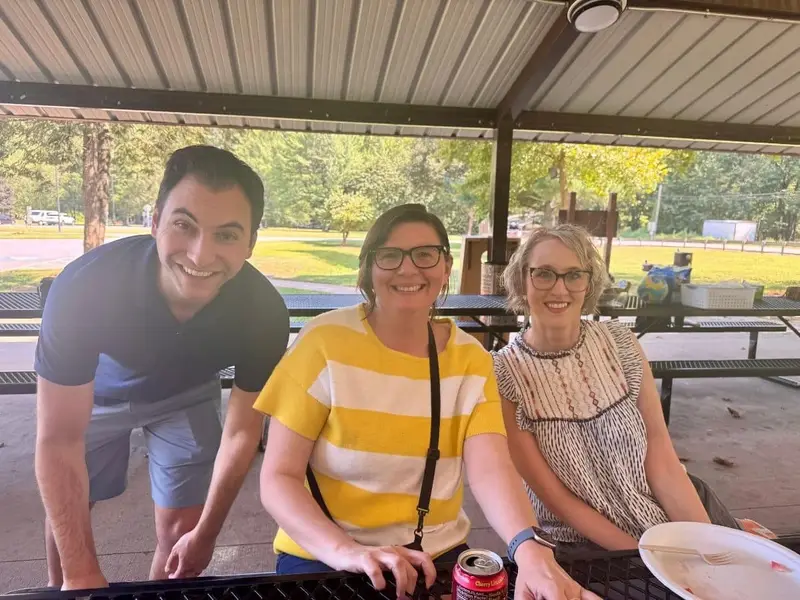
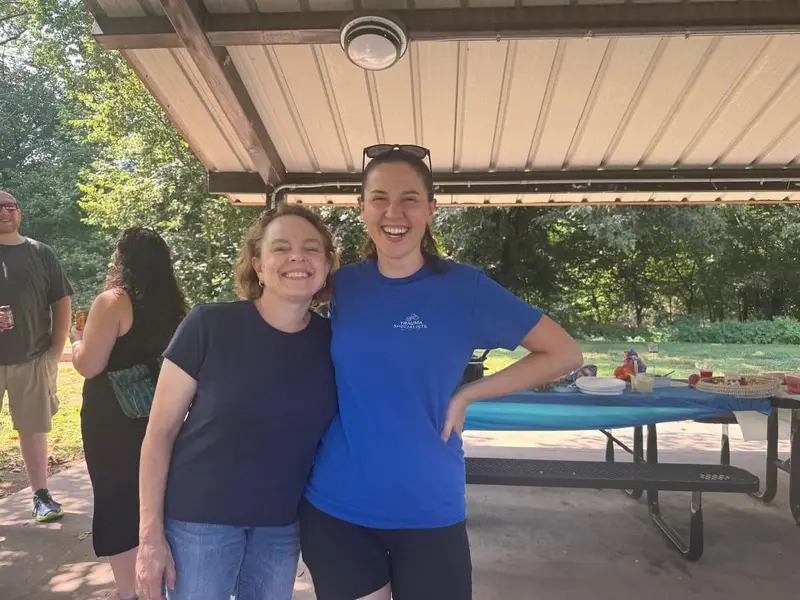
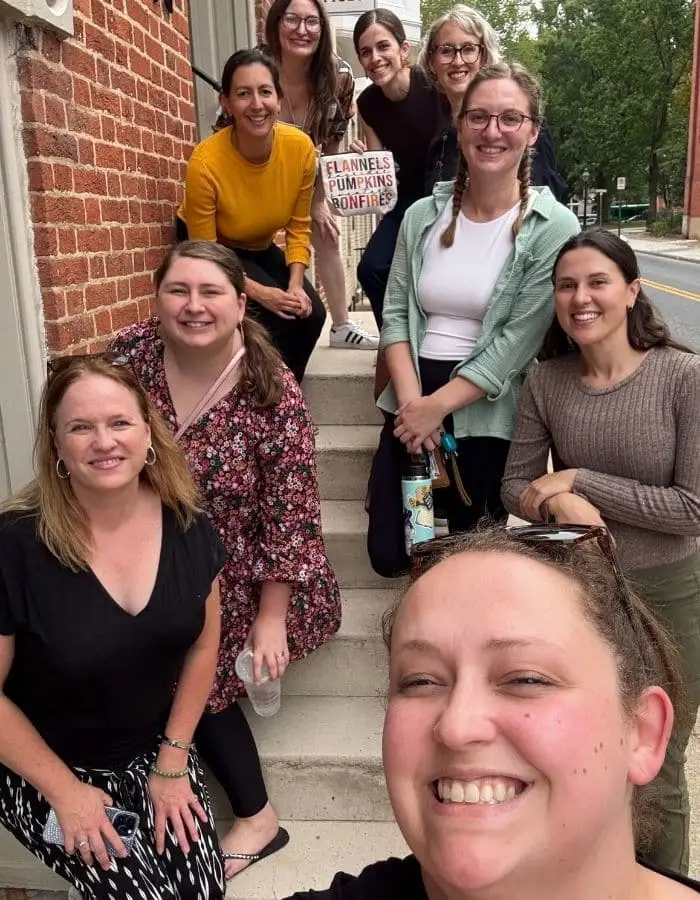
A community of trauma specialists
Training here is warm, human-centered, and relational. You acquire and hone the skills to treat trauma effectively alongside clinicians who do this work every day, in a community that extends across our sister practices in Maryland, Delaware, and Pennsylvania and keeps going after the training ends.
Register
Choose your preferred date and secure your spot.
Upcoming Dates
We don't have a public date on the calendar right now.
No upcoming dates scheduled
This training runs periodically. If you would like to know when it is offered next, we would be glad to tell you.
December 11, 2026
Live Virtual
May 14, 2027
Live Virtual
October 28, 2027
Live Virtual
Group discounts available for 5+ clinicians. Contact info@traumaspecialiststraining.com
Frequently Asked Questions
Policies & Disclosures
Trauma Specialists Training Institute welcomes any clinician who is looking to offer the best trauma treatment you can to your clients. Our training environment is geared toward inclusivity and we welcome all ages, abilities, cultures, ethnicities, races, genders, sexual orientations, and religions.
Reschedule Policy
We ask that all trainees prioritize this training and do what they can to limit the need for rescheduling. We do, however, understand that sometimes events arise that require you to change training dates. If you require to be switched to a different training date, you will be charged a $100 administrative fee. For trainings consisting of multiple days, this fee will be applied for each training day that needs to be rescheduled. We cannot guarantee you will be able to be placed in a specific training date due to trainer limitations, so you will be added to a waiting list for the next available opening. Please be sure to read the rescheduling policy specific to your training which is made available as part of your learning library. Additional fees may apply to trainings consisting of consultation group time.
Cancellation Policy
If you need to cancel your training, any funds paid may be applied toward a future Trauma Specialists Training Institute program within one year of your original registration date. Please note that training registration fees are non-refundable, including any rescheduling fees.
We want to provide equal access to our training. If you are in need of any kind of accommodation to attend this training, please reach out to us so we can work with you to set up any accommodations needed. Contact info@traumaspecialiststraining.com.
Confidentiality Statement
All participant identifying information will be kept confidential upon registration of this training. Each participant can choose what name and identifying information to present on their Zoom screen.
Trauma Specialists Training Institute, LLC maintains responsibility for all aspects of this program and its content.
There is no known commercial support for this program.
124 North Court Street, Frederick, MD 21701
877-780-8784 | Email: info@traumaspecialiststraining.com | www.traumaspecialiststraining.com
Ready to Take the Next Step?
Questions? We're here to help.
Email info@traumaspecialiststraining.com or call (877) 780-TSTI