Trauma-Informed Administrative Staff Training
Because the First Voice a Client Hears Matters
with Sarah Martin, LCPC, NCC

Sarah Martin, LCPC, NCC
Training Instructor
The clinicians in your organization are trained for trauma. The people who answer the phone, greet clients in the waiting room, and send the first email usually are not. That first exchange shapes how safe a client feels before they ever sit down with a therapist. Most admin teams want to handle these moments well. They just haven't been given the language or the framework. Logic and reasoning alone aren't enough. Emotional connection matters, and it has to start at hello.
About This Training
This training gives your team specific words for what to say, and what not to say, during client interactions. It teaches them to recognize when someone is dysregulated, how to respond without taking it personally, and how to protect themselves from the vicarious trauma and compassion fatigue that come with this work. Most leaders don't realize how much their administrative staff are absorbing day after day, especially remote intake teams who don't have the benefit of hallway check-ins or clinical supervision. When your front-line team understands trauma, clients feel it the moment they reach out, and the warmth your clinicians offer in session starts long before session one.
Same call. Two different worlds.
A new client calls your organization for the first time. They have been putting this off for weeks. Here is how two versions of that same 90-second conversation can unfold.
"Okay, I just need some info to get you scheduled. What's going on? Can you give me a little background so the therapist knows what to expect?"
Result: The caller freezes. They weren't ready to hand their story to a stranger on the phone. They give short answers, schedule reluctantly, and never show up to the intake.
"I'm really glad you reached out. You don't need to share anything you're not ready to share with me today. Would it feel better if I walked you through how scheduling works first, or would you like me to find a time for you right now?"
Result: The caller feels met, not interrogated. They schedule, they show up, and they often mention that first call as the moment they decided to stay.
This is what the training gives your team: specific language for the moments that matter most. Your clinicians already know how to do this. Now your whole organization can.
A Trauma-Informed Organization Is Trauma-Informed Everywhere
Clients carry their nervous systems through your door long before they sit down with a clinician. When the people at the front of your organization understand trauma, the whole space starts to feel safer. Clients stay longer to meet goals. This course gives non-clinical staff that understanding, in plain language they can actually use.
What This Looks Like in Practice
When the whole team is trauma informed
- Clients feel met with care from the first hello
- Staff have words for hard moments instead of guessing
- The waiting room feels calmer and safer
- Clients stay longer to meet their goals
- Your team feels supported, not stretched thin
Skills Your Team Will Build
What You'll Learn
Who This Training Is For
- Organization owners who want every client interaction to reflect their values
- Clinical directors building a trauma-informed culture across their whole team
- Operations and office managers responsible for onboarding and staff development
- Intake specialists who are the first voice a client hears
- Front desk and scheduling staff in mental health settings
- Billing and insurance staff who handle money conversations with clients
- Remote intake teams without the benefit of in-office peer support
- Administrative teams in any mental health, medical, or social services setting
What's Included
Your Trainer
Sarah Martin, LCPC, NCC
Training Instructor
Licensed Clinical Professional Counselor in Maryland and Board Certified Counselor (NBCC) with 8+ years of experience in the mental health field. Sarah has extensive experience working with diverse individuals of all ages and families who have experienced trauma, with a focus on medical trauma, adoption, and the foster care system. She is trained in EMDR, Neurofeedback, and Alpha-Stim treatment.
What People Are Saying
"The section on which words can be harmful during intakes was eye-opening. I now have specific phrases I feel confident using when speaking with new clients."
Rebecca
Training Participant
"I loved that the training didn't assume I already understood trauma. It starts with the basics and builds from there, which helped me deeply understand my role in a client's recovery."
Luci
Training Participant
"This training helped me understand trauma in a way I hadn't before, and I can see how the care we provide extends far beyond the therapy room. I look at client interactions completely differently now."
Tiffany
Training Participant
"The concepts like window of tolerance and co-regulation are so powerful for admin staff to understand. And the specific language Sarah provides for how to actually respond to clients is what people are craving. This fills a real gap."
Berit
Intake Team Lead
The people behind the work
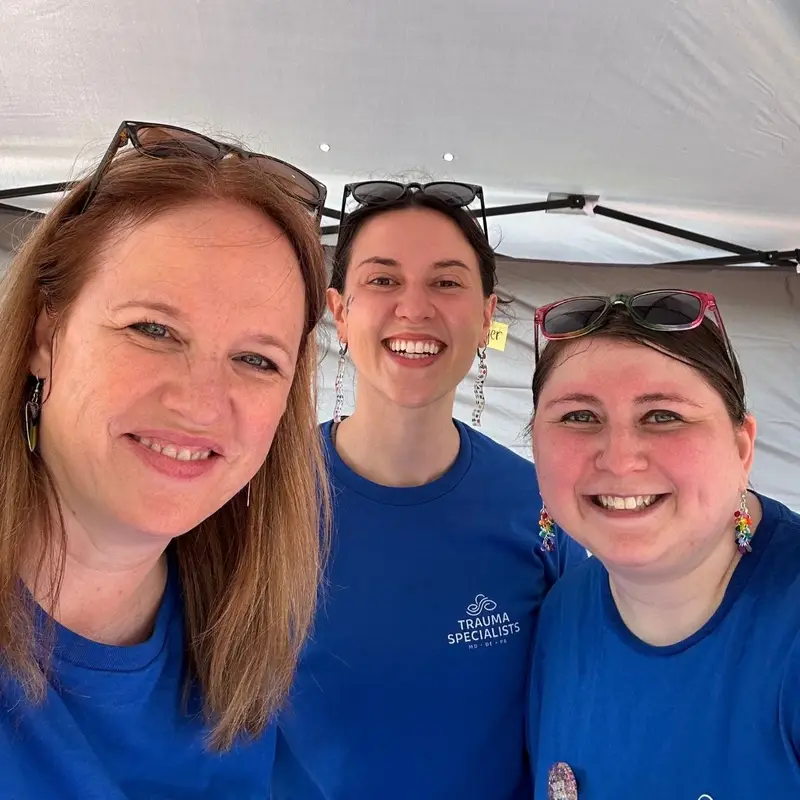
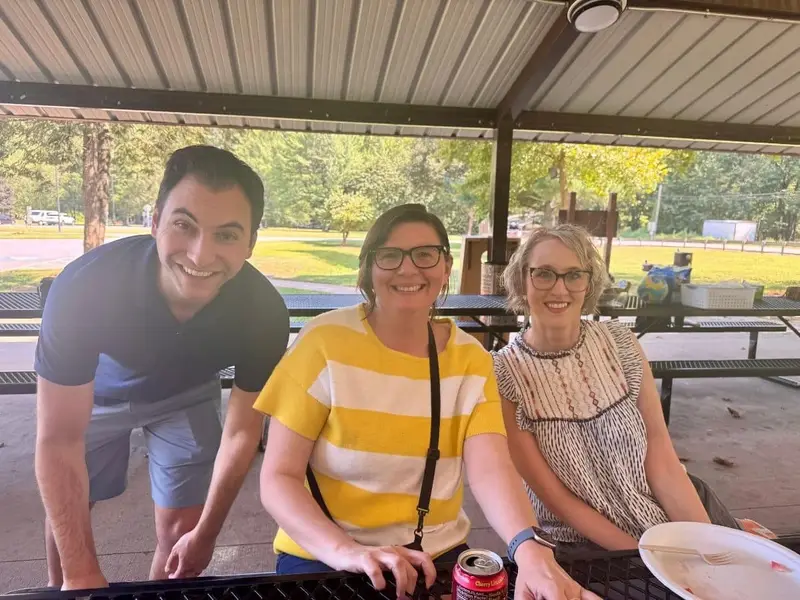
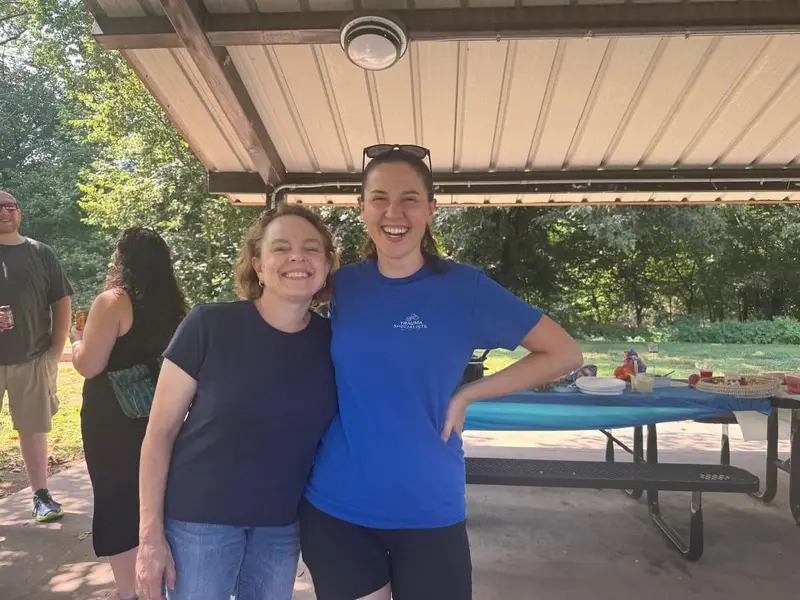
A community of trauma specialists
Training here is warm, human-centered, and relational. You acquire and hone the skills to treat trauma effectively alongside clinicians who do this work every day, in a community that extends across our sister practices in Maryland, Delaware, and Pennsylvania and keeps going after the training ends.
Get Instant Access
Start learning today with on-demand access.
Available Now, Instant Access
On-Demand (Self-Paced) · 30-Day Access
$80
Group discounts available for 5+ clinicians. Contact info@traumaspecialiststraining.com
Frequently Asked Questions
Ready to Take the Next Step?
Questions? We're here to help.
Email info@traumaspecialiststraining.com or call (877) 780-TSTI