A Closer Look at Complex Trauma & Dissociation
Trauma-Informed Tips for All Levels
with Jamie Sedgwick, LCPC, NCC

Jamie Sedgwick, LCPC, NCC
Training Director & Consultant
A client arrives flooded, can't tell a coherent story about what happened, and admits she's been secretly seeing her abusive ex. The standard moves (challenge the cognition, set boundaries, problem-solve) feel invalidating, trigger a shame response, and damage rapport. Sometimes they end the relationship.
About This Training
This is what complex trauma looks like in the room, and most clinicians were never taught how to respond to it. Grad school covered trauma in the abstract. Nobody handed you the actual language, the session structure, or the interventions that work when a client is dysregulated, dissociating, or stuck in approach-avoidance with the therapeutic relationship itself.
This training gives you that missing piece. You'll learn to recognize complex trauma presentations (emotional flooding, alexithymia, incoherent storytelling, push-pull), identify five distinct types of dissociation in session, and replace cognition-challenging scripts with grounding, immediacy, and relational interventions that engage the polyvagal system. You'll walk away with a session structure, scripted language, and a guided containment exercise you can use in your very next appointment.
The same client. Two responses.
A client with a history of complex trauma arrives to session flooded and irritable, can't sit still, and avoids eye contact. She tries to tell you about an unexpected run-in with her abusive ex-spouse over the weekend, but the story isn't cohesive. Then she admits she's been secretly seeing him for months.
"It sounds like you need better boundaries with your ex. Let's try to challenge those negative belief systems."
Result: Requires the client to access her frontal lobe, which is offline. Triggers a shame response. Damages rapport. Risks therapist-pleasing or termination.
"I know it's not easy to share this with me and I'm really glad you did. How does it feel to have shared this with me? What do you need from me right now?"
Result: Orients the client to the here and now. Engages the polyvagal system. Models healthy relating. Builds safety inside the therapeutic relationship.
The training walks through this exact case and breaks down why one response activates regulation and the other activates shame.
The Language and Session Structure Grad School Left Out
Most clinicians learned about trauma in the abstract. Nobody handed you the words for when a client is flooded and dissociating in your office. This training closes that gap with scripted language, a session structure built around polyvagal regulation, and a containment exercise you can use in your next appointment. No EMDR training required.
What This Looks Like in Practice
After This Training
- Scripted language for moments when a client is flooded or shut down
- The ability to name and locate dissociation on a clinical continuum
- A session structure you can use in your next appointment
- Confidence working with complex trauma without EMDR training
- Interventions that engage the nervous system instead of the frontal lobe
Skills You'll Build
What You'll Learn
Does this sound familiar?
- You have a client whose "childhood was fine" but everything in the room says otherwise
- You're using CBT techniques and they keep falling flat or making things worse
- A client shut down mid-session and you weren't sure what to do
- You suspect dissociation but don't feel confident naming it, let alone working with it
- You learned about trauma in grad school but no one taught you what to actually say
- You want to start working with complex trauma but EMDR training feels like a big leap
- You're a pre-licensed clinician building your trauma-informed foundation under supervision
Prerequisites: No EMDR training required
What's Included
Continuing Education Approvals

NBCC
Trauma Specialists Training Institute has been approved by NBCC as an Approved Continuing Education Provider, ACEP No. 7268. Programs that do not qualify for NBCC credit are clearly identified. Trauma Specialists Training Institute is solely responsible for all aspects of the programs. 4 Clock Hours.
NASW
This program is Approved by the National Association of Social Workers (Approval # 886869661-9020) for 4 continuing education contact hours. Category: Social Work. Expires 4/30/27.

APA
Trauma Specialists Training Institute is approved by the American Psychological Association to sponsor continuing education for psychologists. Trauma Specialists Training Institute maintains responsibility for this program and its content. CE: 4 Credits
Trauma Specialists Training Institute, LLC maintains responsibility for all aspects of this program and its content.
Your Trainer
Jamie Sedgwick, LCPC, NCC
Training Director & Consultant
EMDRIA Certified Therapist, Approved Consultant, and Approved Basic Trainer with 10+ years of mental health experience. Specializes in complex trauma, dissociation, and personality disorders.
The people behind the work
A community of trauma specialists
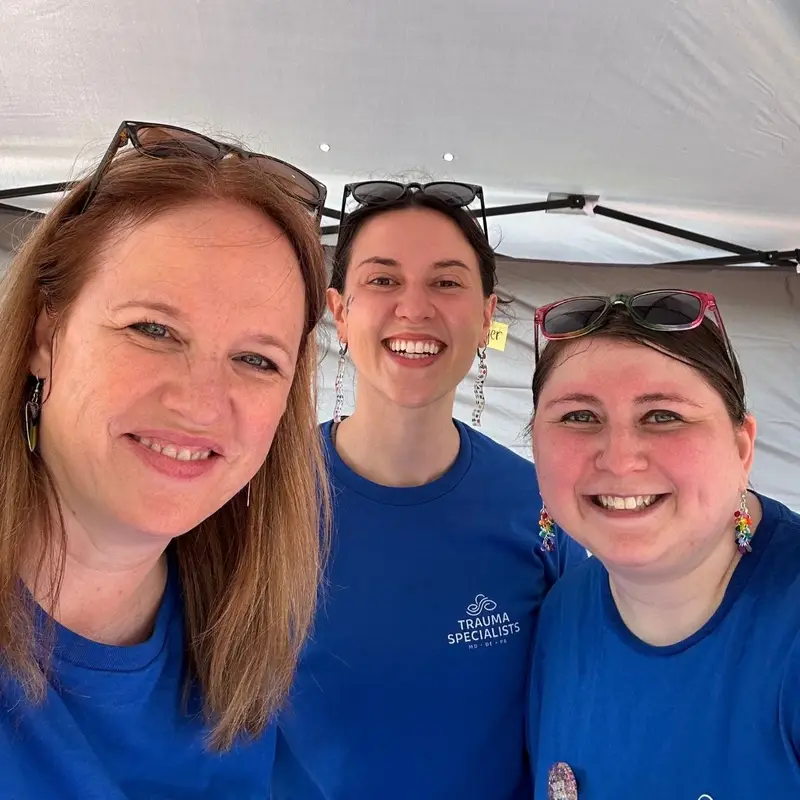
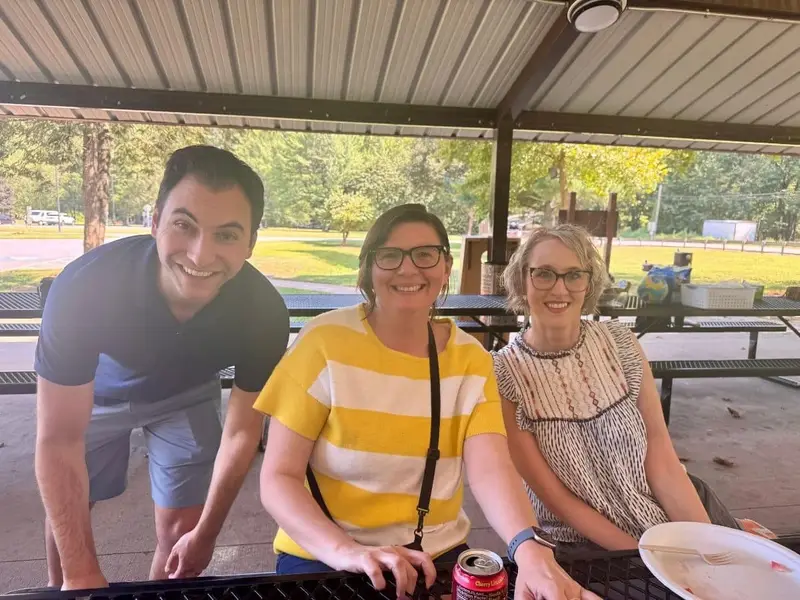
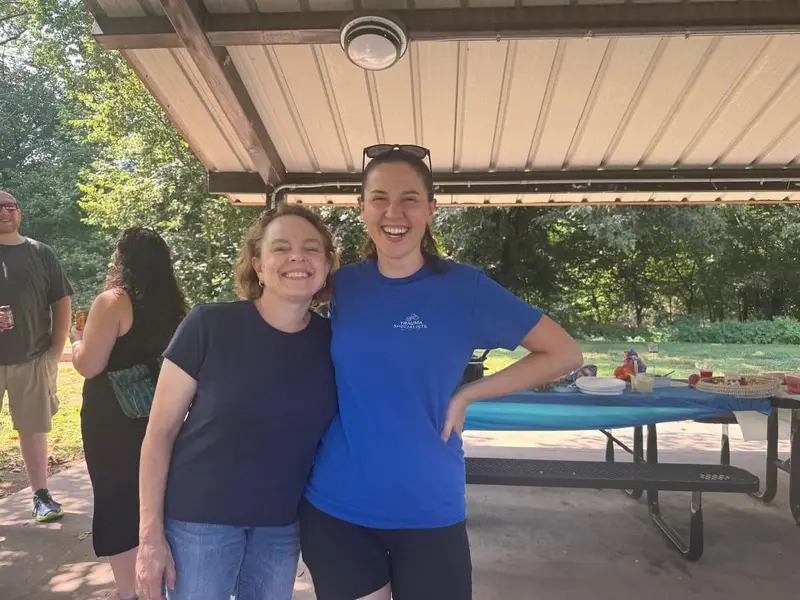
Training here is warm, human-centered, and relational. You acquire and hone the skills to treat trauma effectively alongside clinicians who do this work every day, in a community that extends across our sister practices in Maryland, Delaware, and Pennsylvania and keeps going after the training ends.
Get Instant Access
Start learning today with on-demand access.
Available Now, Instant Access
On-Demand (Self-Paced)
$97
Group discounts available for 5+ clinicians. Contact info@traumaspecialiststraining.com
Frequently Asked Questions
Ready to Take the Next Step?
Questions? We're here to help.
Email info@traumaspecialiststraining.com or call (877) 780-TSTI